Village crafts & buildings
Clay, glaze & working kilns
At a ceramic workshop, ask what changed between the lump of clay, the painted surface and the finished pot. Each kiln gives you a reason to slow down.
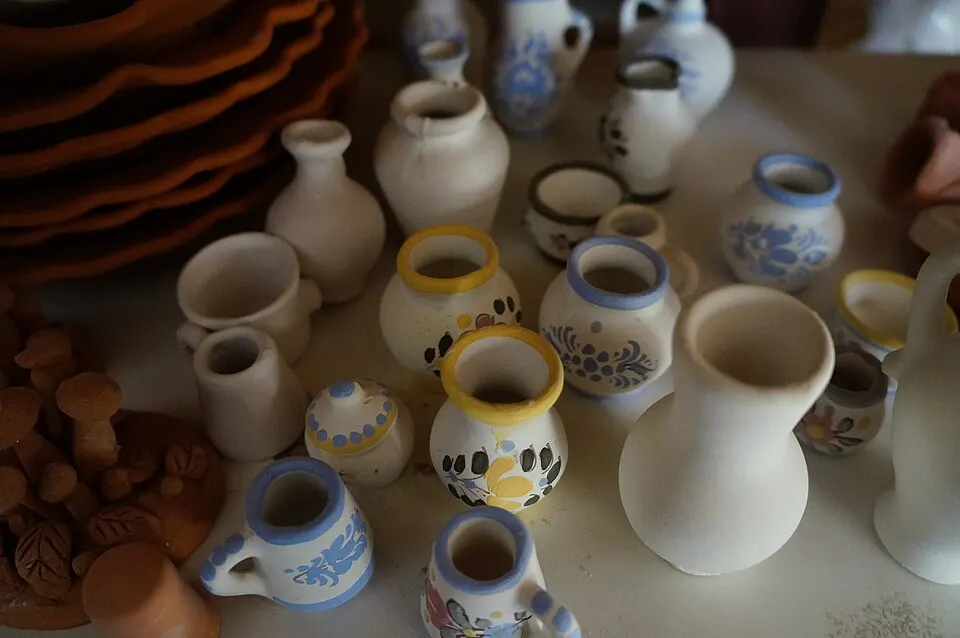
Clay from a place
Vadu Crișului is known for its pale pottery. In Modra, majolica has a distinct decorative history and a workshop where visitors can see how painters work. Ask which clays and surface finishes a contemporary maker uses for a particular piece.
Look past the display case
A row of pots becomes more readable after you see a handle attached or a brush loaded. In a museum, pick one vessel and ask how it was used. In a working studio, check whether there is time for a demonstration or a short class.
How to be a good guest
Check in advance before visiting a working kiln. Give makers a clear work surface and room around the wheel.
Stories and places to visit
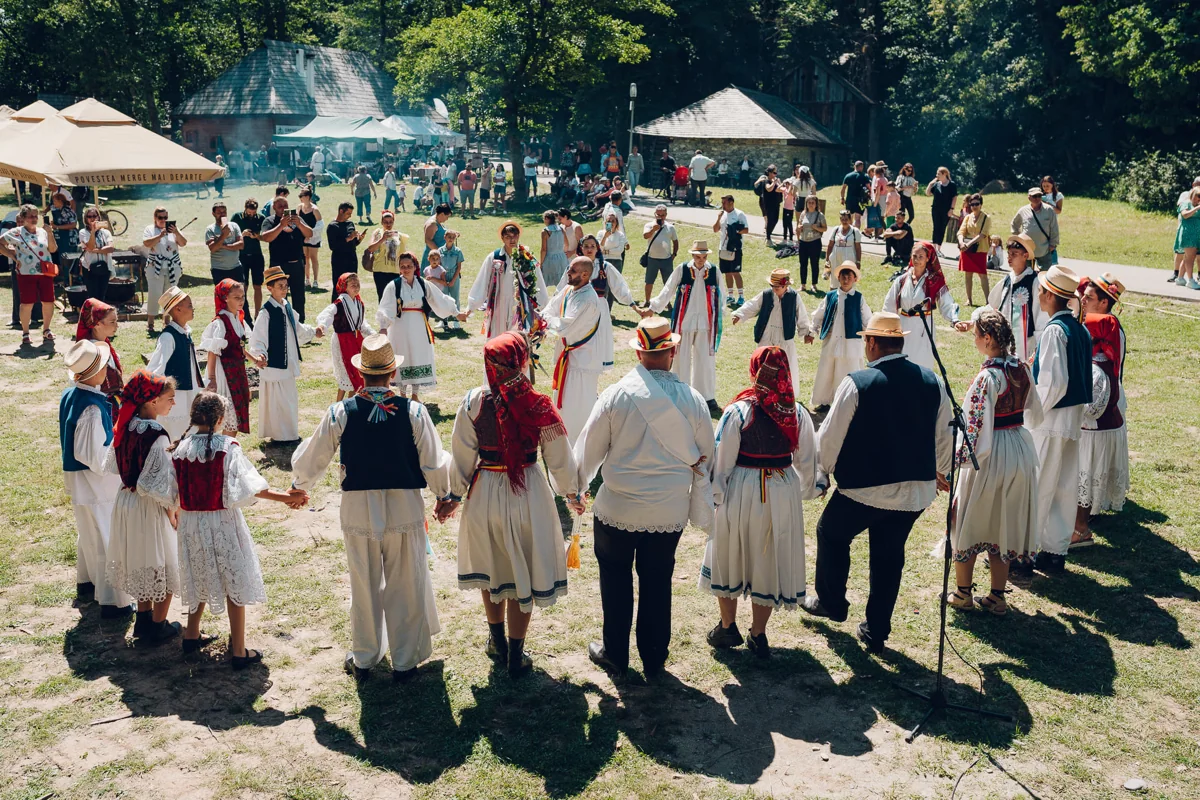
Sibiu · Dumbrava
 Sibiu · Dumbrava
Work and water at the ASTRA Museum ↗
At the ASTRA Museum in Sibiu’s Dumbrava forest, farmsteads, workshops and mills put tools back into the settings where people used them. Start by the lake and see how a building changes with the source of power and the job it houses.
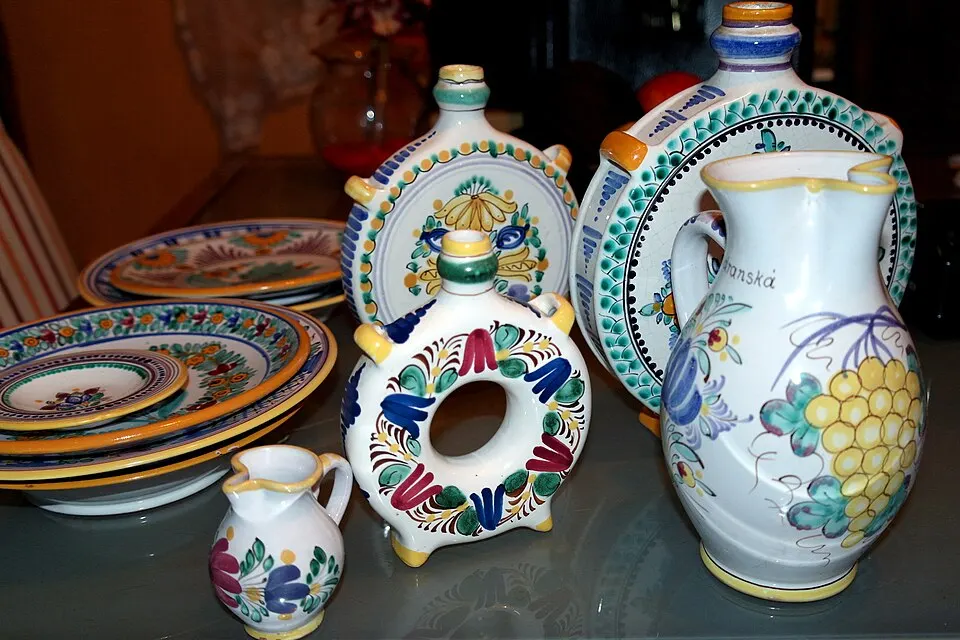
Modra · Little Carpathians
 Modra · Little Carpathians
Modra Majolica & Little Carpathian Clay ↗
Follow the Haban influence on Modra’s pottery and see how painters turn botanical motifs into hand-painted designs.
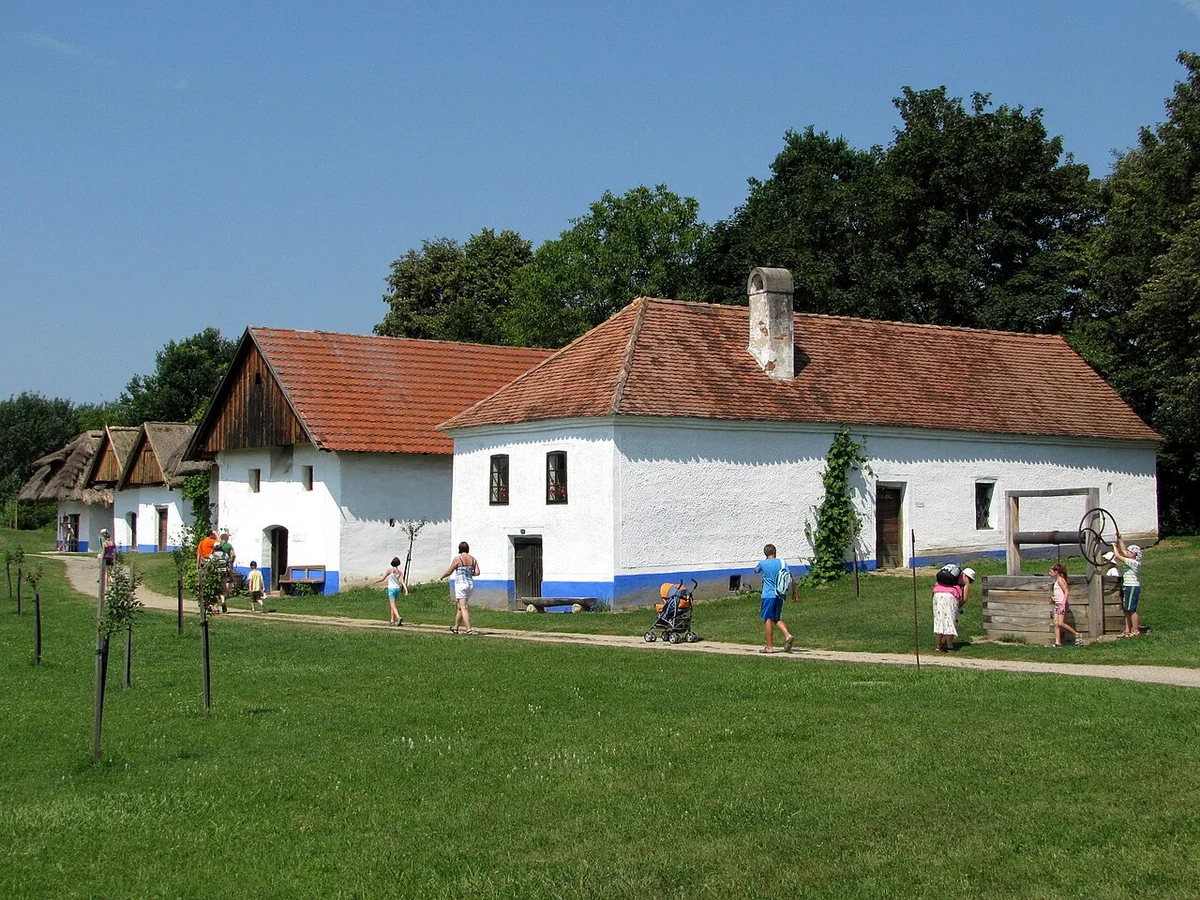
Strážnice · South Moravia
 Strážnice · South Moravia
South Moravian folk houses and wine country ↗
Strážnice’s open-air museum gives barn, house and vineyard buildings a place beside one another. A visit to nearby Petrov makes the work behind the wine easier to picture.
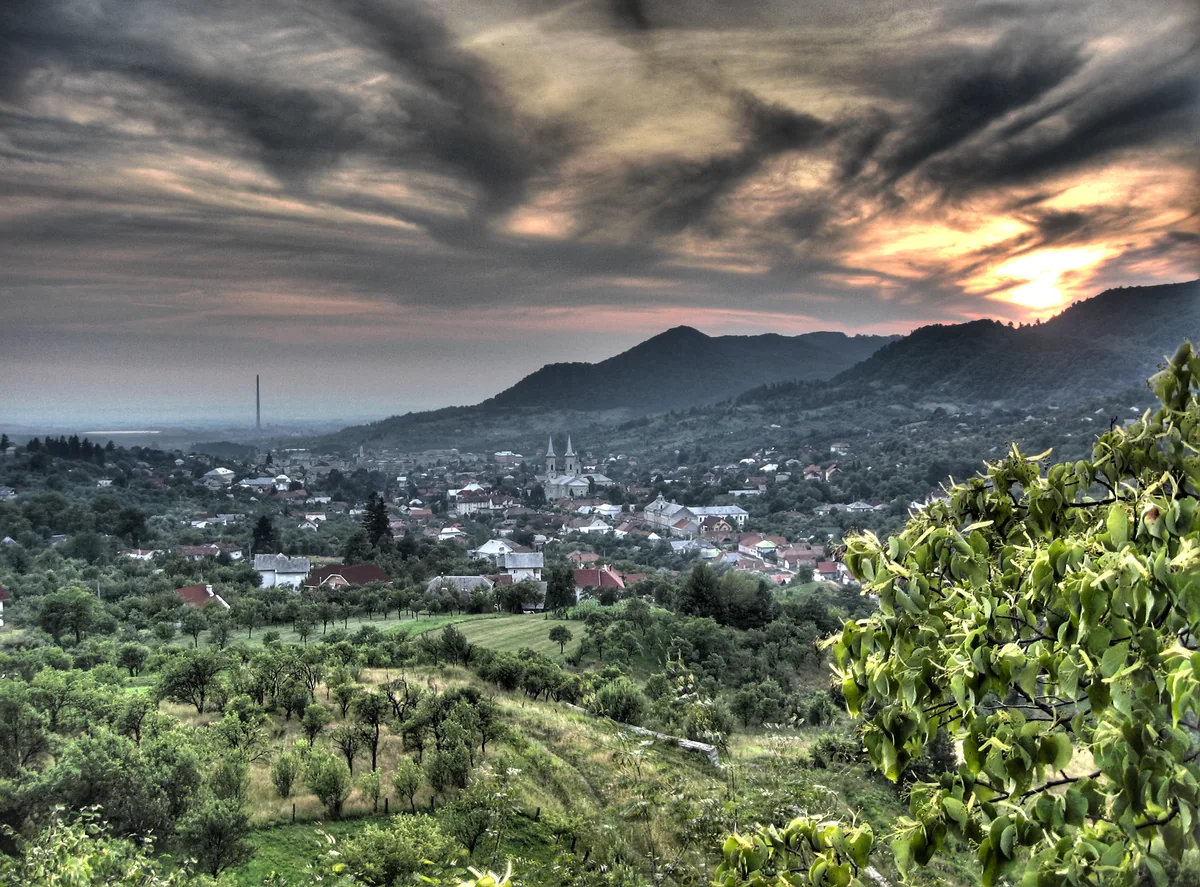
Baia Sprie · Maramureș
Clay at Casa Olarului in Baia Sprie ↗
At the Leș family workshop, one course brings together preparing the clay, throwing on a wheel and hand modelling. Watch how the walls of a pot rise, then look for the places a maker will return to when finishing it.
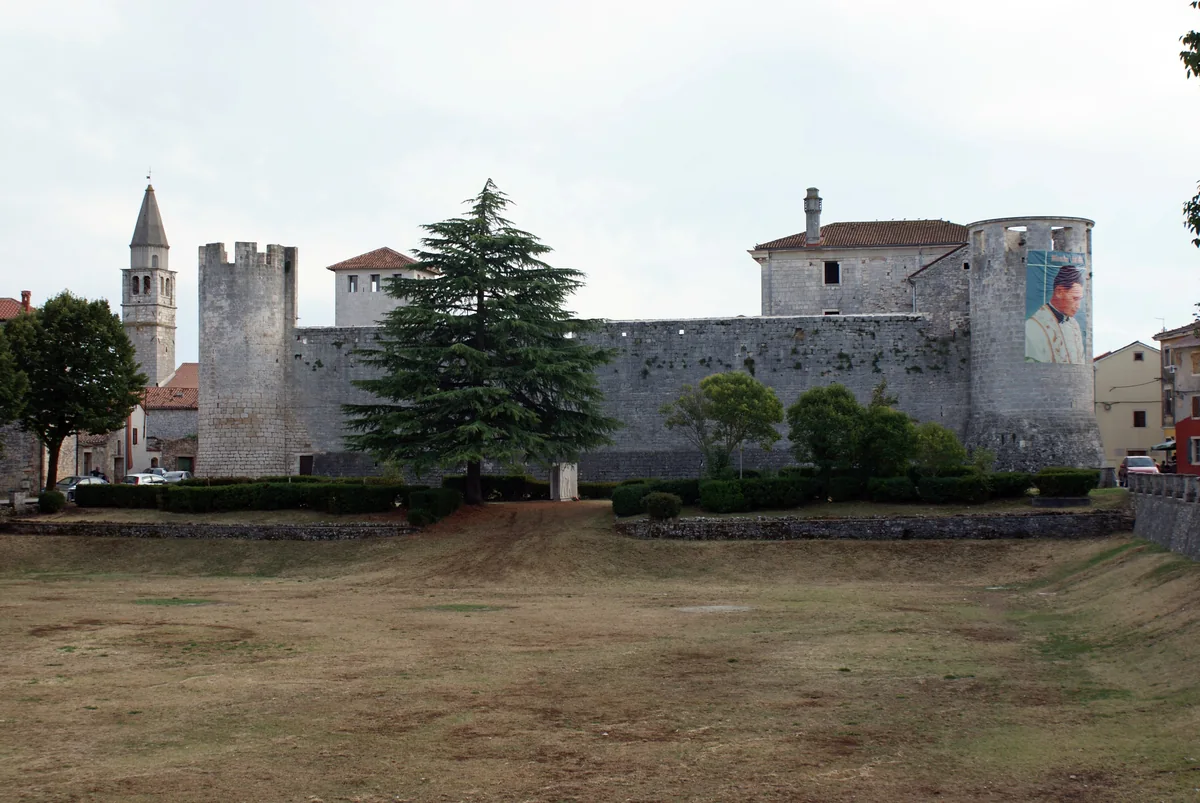
Svetvinčenat · Istria
 Svetvinčenat · Istria
Stone lanes and a castle in Svetvinčenat ↗
Around Svetvinčenat’s Renaissance square sit a castle, a church, a public loggia and a stone cistern. Each side of the square offers a different view of the town’s everyday life.
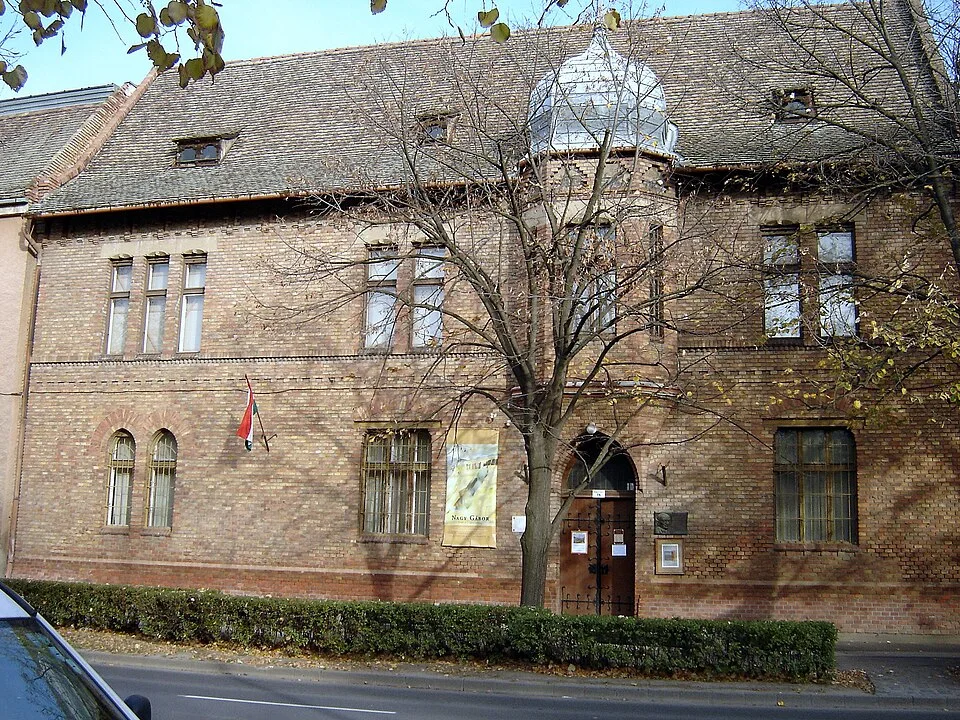
Hódmezővásárhely · Southern Great Plain
 Hódmezővásárhely · Southern Great Plain
Paint and form in Vásárhely pottery ↗
In Hódmezővásárhely the potters also called themselves tálasok, bowl makers. Start with a bowl and a plate in the Csúcs Pottery House and see how painted decoration follows the shape of an object people once used at home.
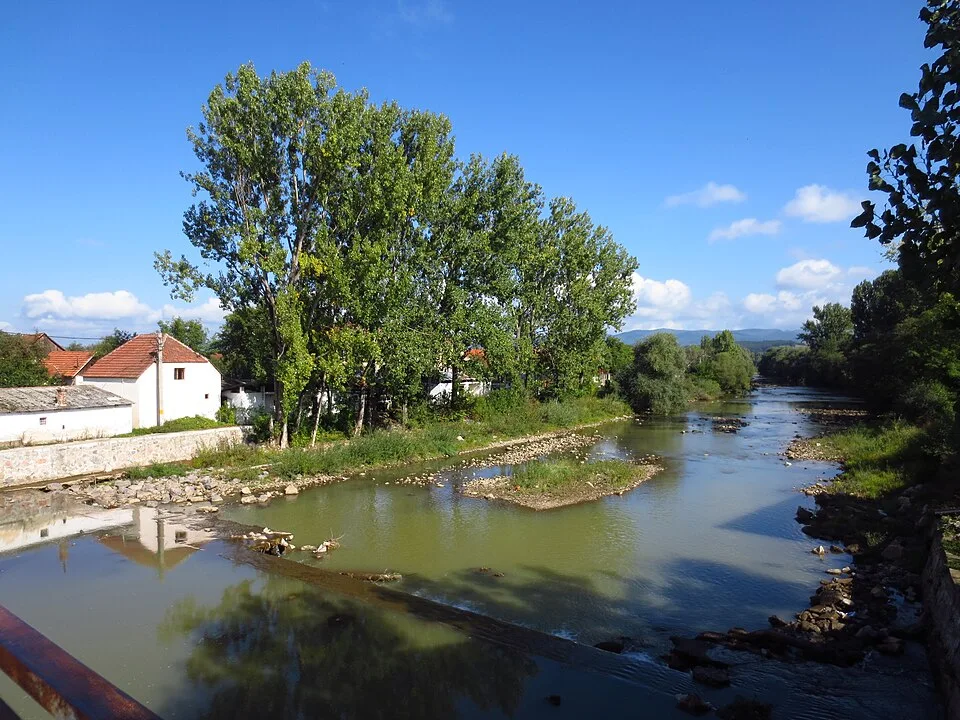
Vadu Crișului · Crișana
White clay in Vadu Crișului ↗
In Vadu Crișului, the clay potters use fires to a milky white. On some pots the pale surface shows through bands of brown decoration. A lidded pot held in Oradea shows how the shape, colour and marks left by the maker fit together.