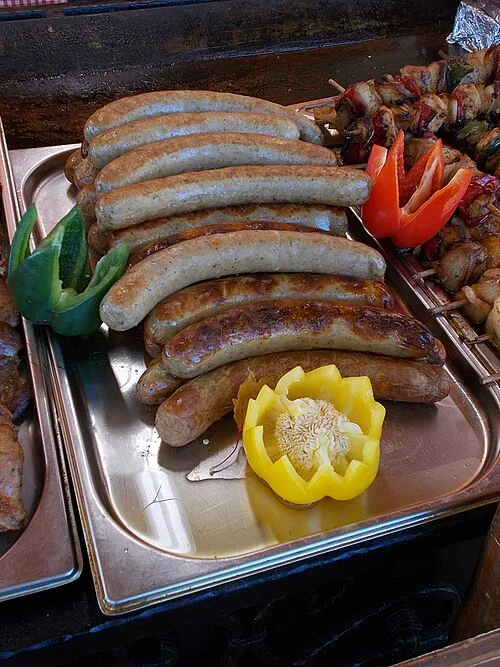
The winter pork feast ↗
Romanian pomana porcului, Hungarian disznótor and Slovak zabíjačka all bring winter work and a shared meal together. Public gatherings offer a way to taste the cooking and see how the work is shared.
Find the customs behind the celebrations, from a cauldron by the river to a bell at the door.
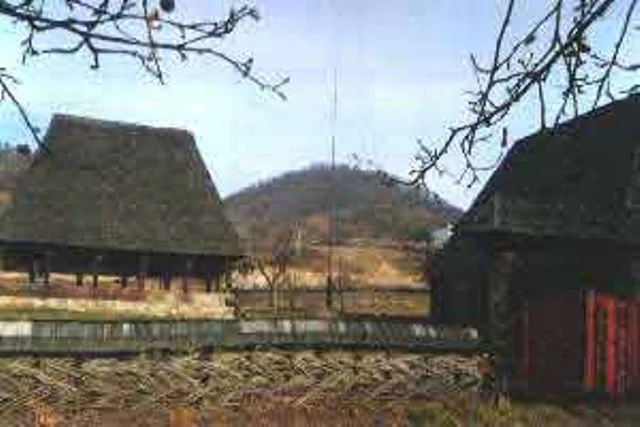
Follow the pots, ovens and cellars that put a village’s growing season on the table.
Romanian pomana porcului, Hungarian disznótor and Slovak zabíjačka all bring winter work and a shared meal together. Public gatherings offer a way to taste the cooking and see how the work is shared.
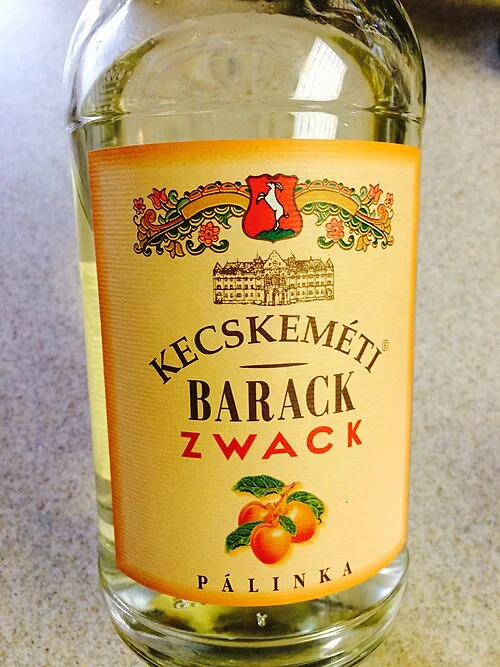
Plum, pear and apricot travel a long way from orchard to table. The traditions around Țuică, pálinka, rakia and Marillenbrand are best understood by asking what grew nearby and who made the drink.
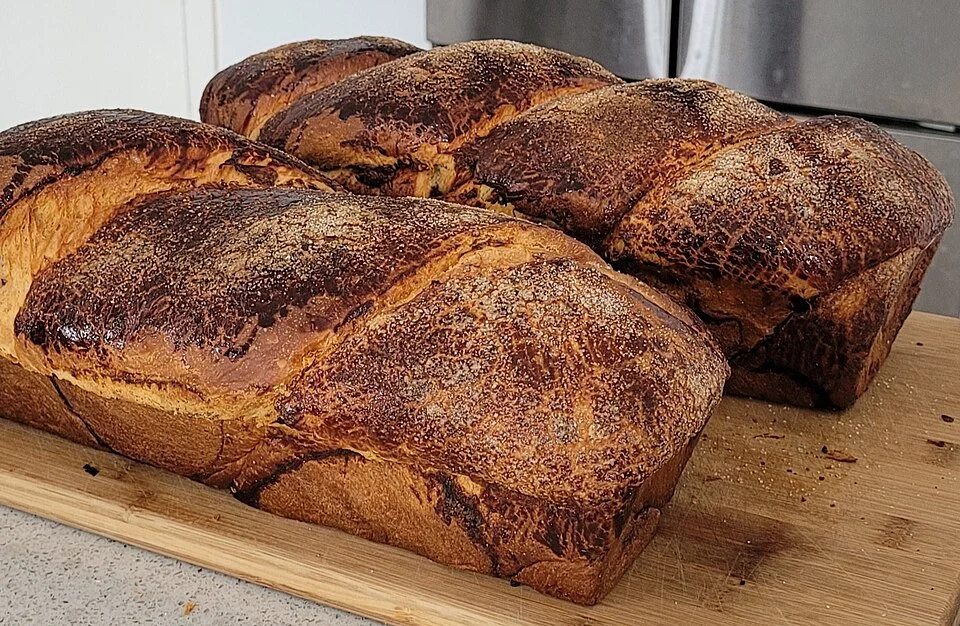
A Christmas loaf can sit at the centre of a household ritual. A braided bread, a wafer shared around a table and a loaf presented at a harvest gathering each belong to a different occasion.
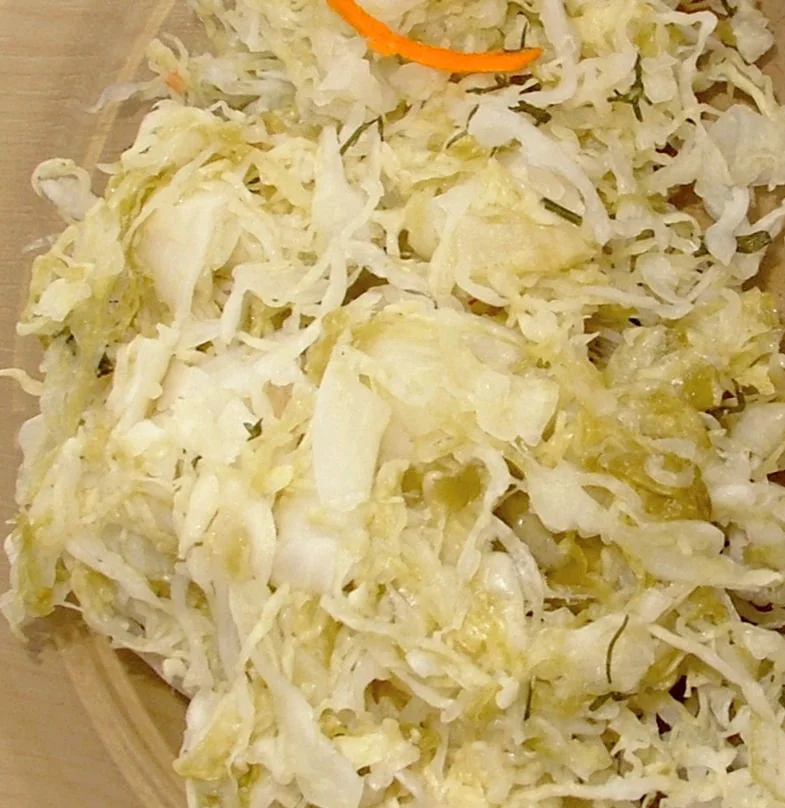
The winter table starts long before winter. At markets and village gatherings, jars of pickled vegetables and preserves make the work of putting food away visible.
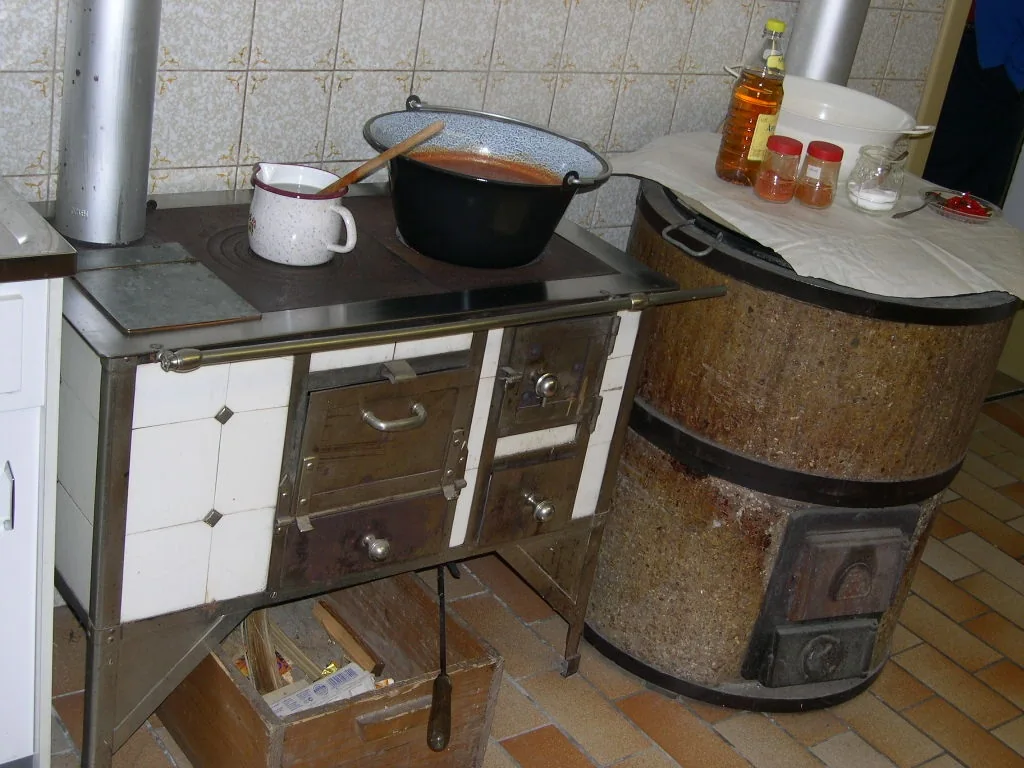
Follow a river to an outdoor pot. Baja’s halászlé and the fiš-paprikaš of eastern Croatia belong to distinct kitchens where fish, paprika and the rhythm of tending the fire matter.
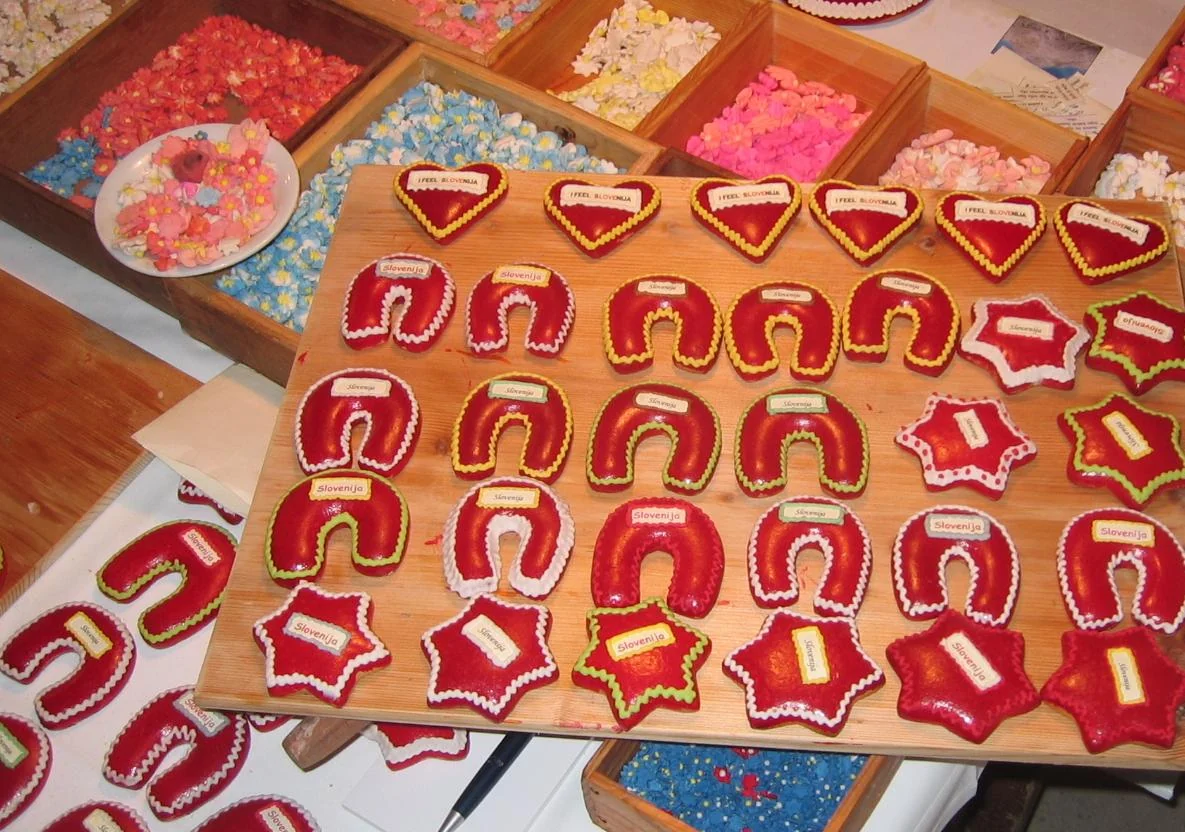
An apiary explains the season behind a jar. A gingerbread mould shows how a baker turns spice and dough into an object worth giving away.
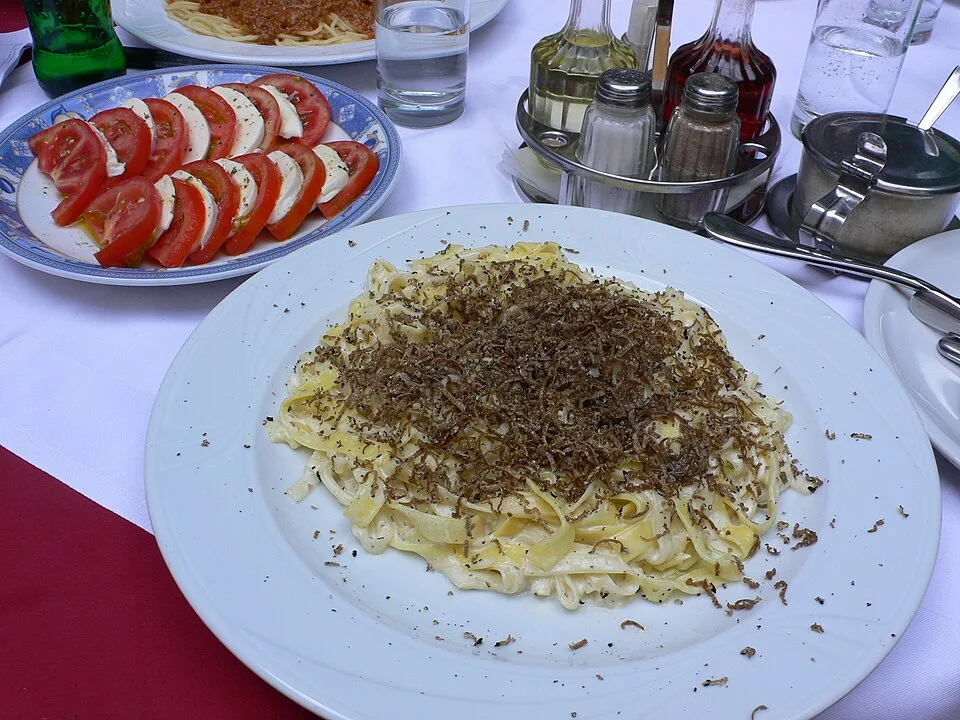
Čabarnica · Zrenj · Istria
In Čabarnica near Zrenj, the Tončić family serves homemade pasta, game dishes and produce from their farm. Fuži are a good introduction to inland Istrian cooking.
Slovenia
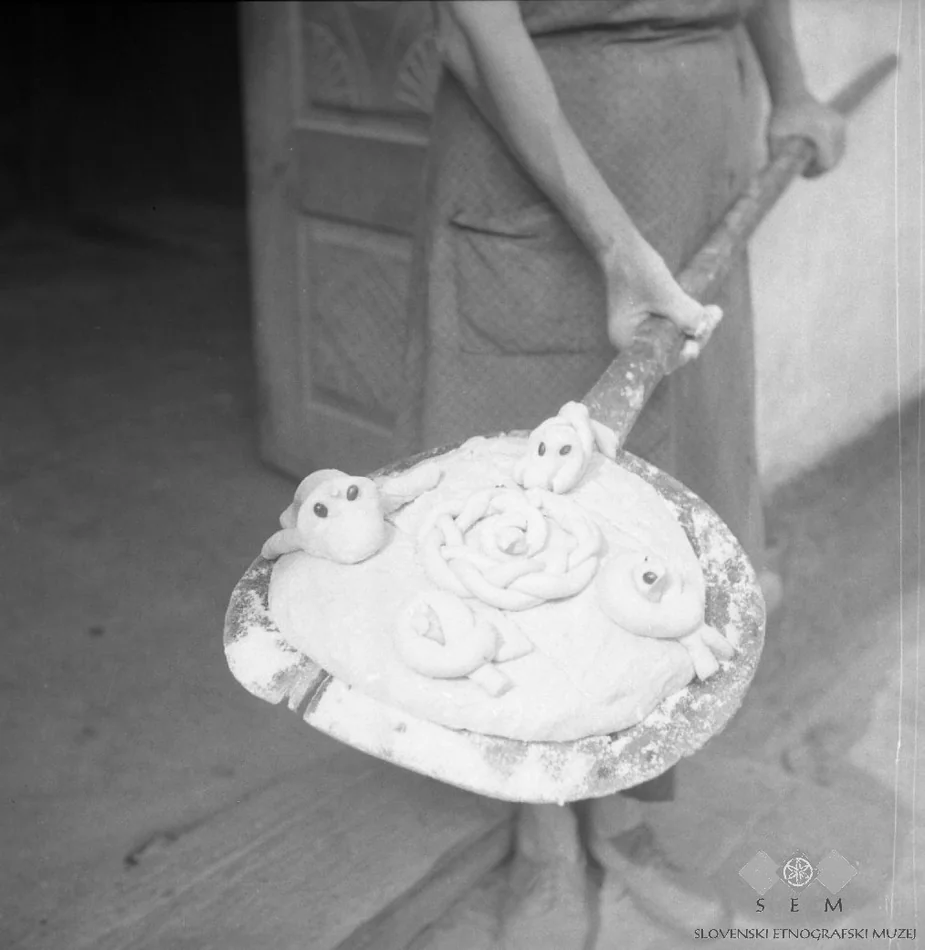
Poprtnik is a festive loaf decorated with braids, little birds or other shapes made from dough. Its name recalls the cloth that traditionally covered it. A workshop in Litija teaches visitors how it is made, and an exhibition brings different loaves and designs together.
Dürnstein · Wachau
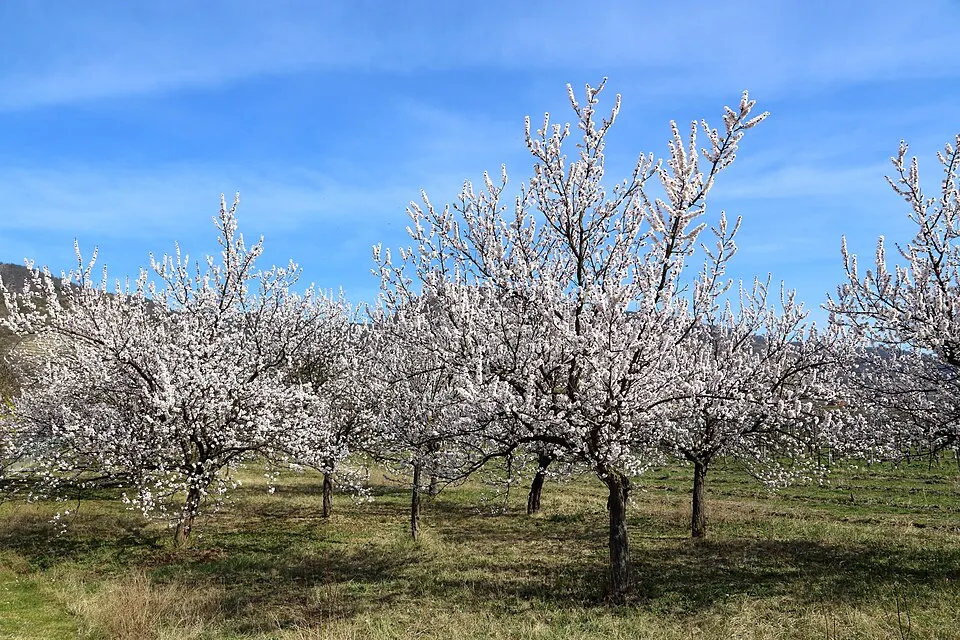
Apricot orchards and vineyard terraces sit close together between Dürnstein and Spitz. Growers sell fresh fruit at harvest and preserves and apricot brandy at their farm shops.
Usoyka · Kyustendil area
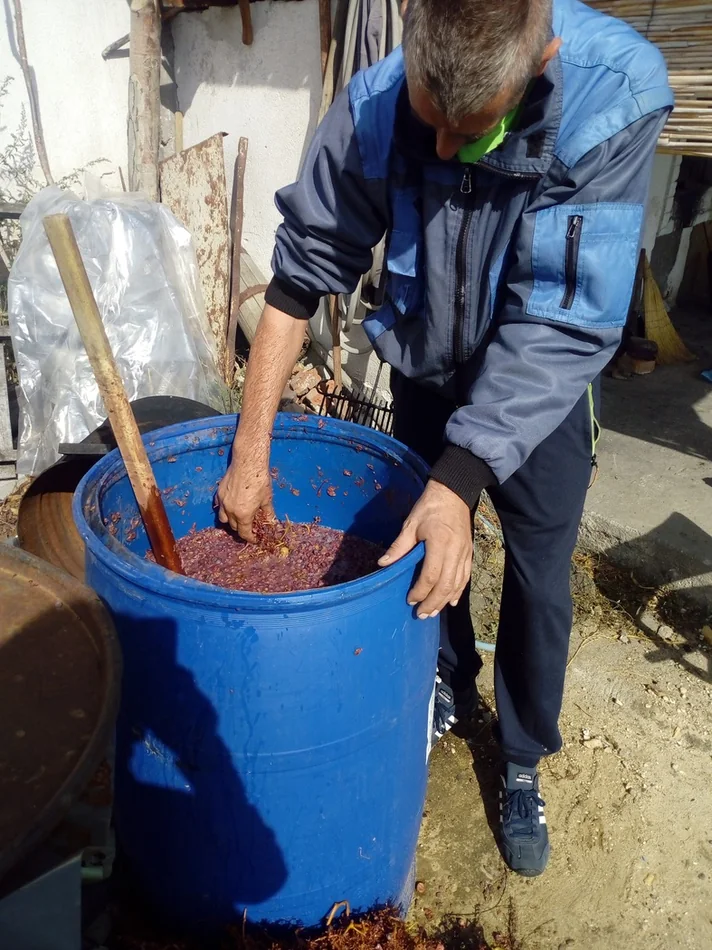
In the village of Usoyka, pickled vegetables come out of the pantry and become a reason to meet outside the community centre. The festival also brings together homemade rakia, wine and small dishes.
Romania
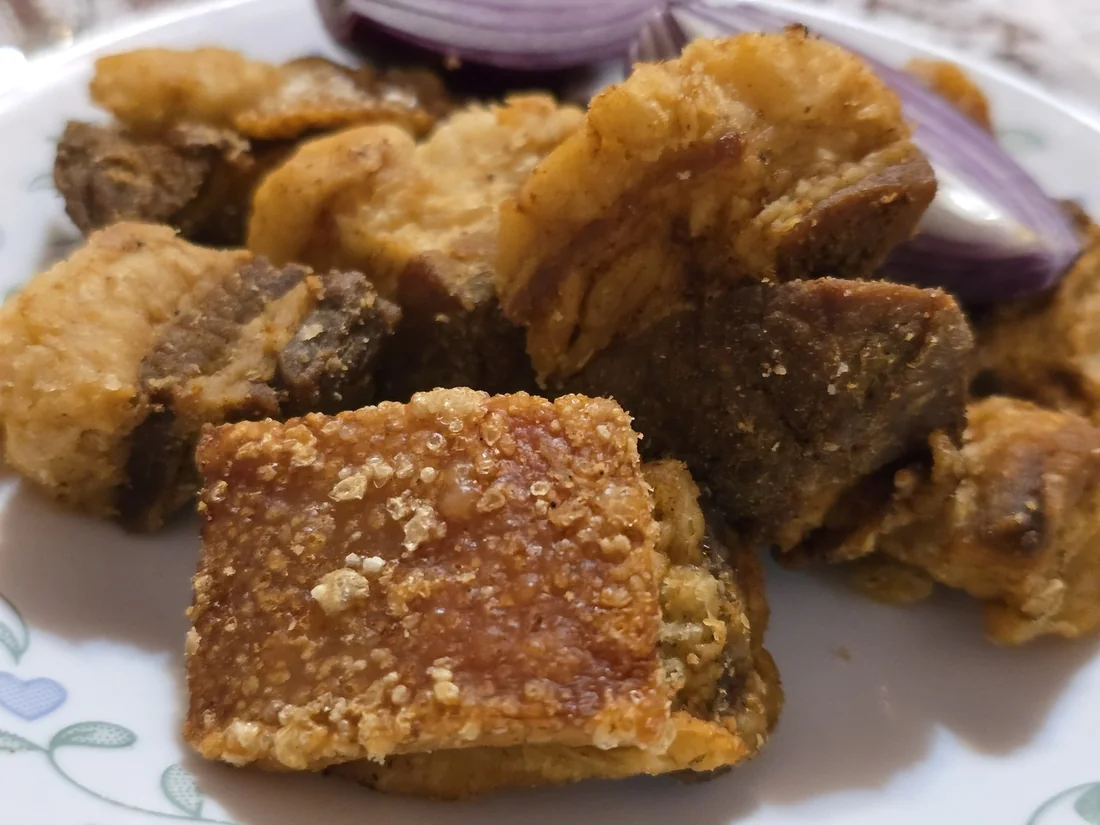
At Gheorgheni’s festival, teams prepare pork dishes for a public gathering. The Romanian name recalls the meal shared after a household pig slaughter. In the Hungarian programme, look for the word disznótoros.
Romania
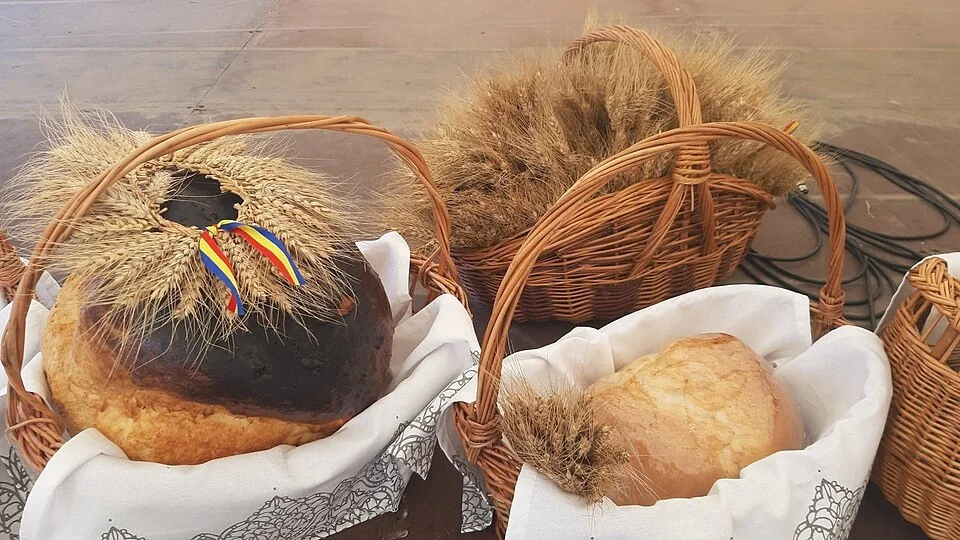
At Pecica’s new wheat celebration, bread and the ears of wheat it came from appear on the same table. Look for the blessing of the new bread and wheat wreaths in the festival programme.
Romania
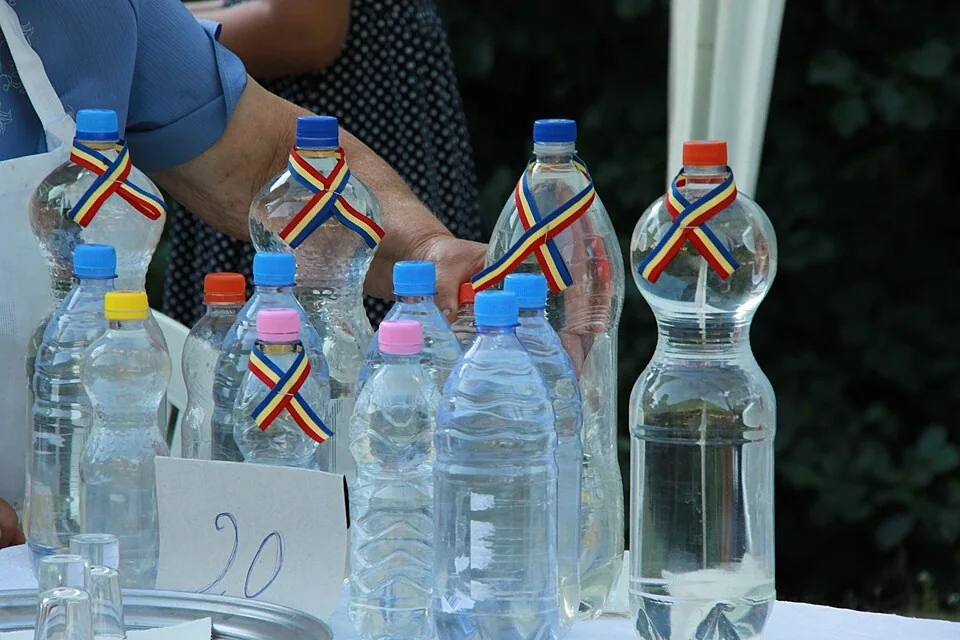
In Băbuțiu, watch plums thicken in a cauldron. In Rășinari, ask makers about the fruit used for țuică alongside stalls selling cheese. The two gatherings show different ways of using an autumn harvest.
Poland
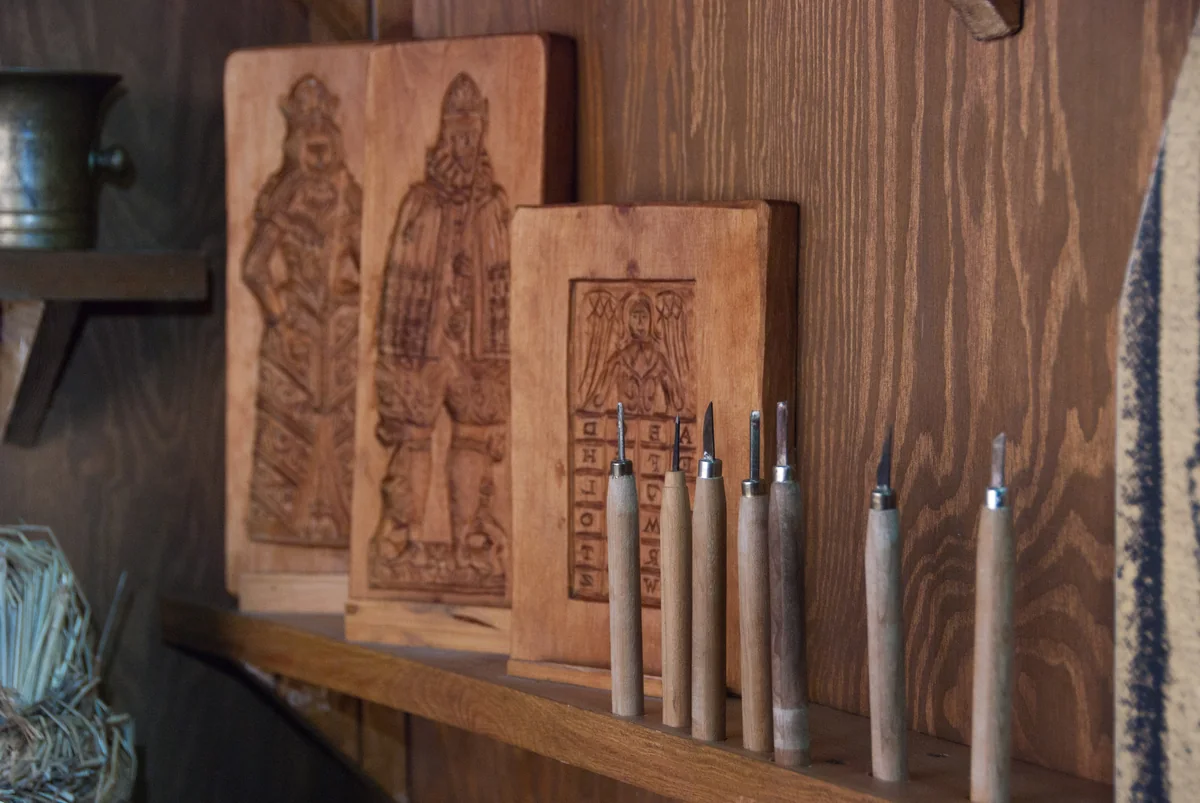
The Museum of Toruń Gingerbread brings ingredients, carved moulds and baking together at its home on Strumykowa Street.
Hungary
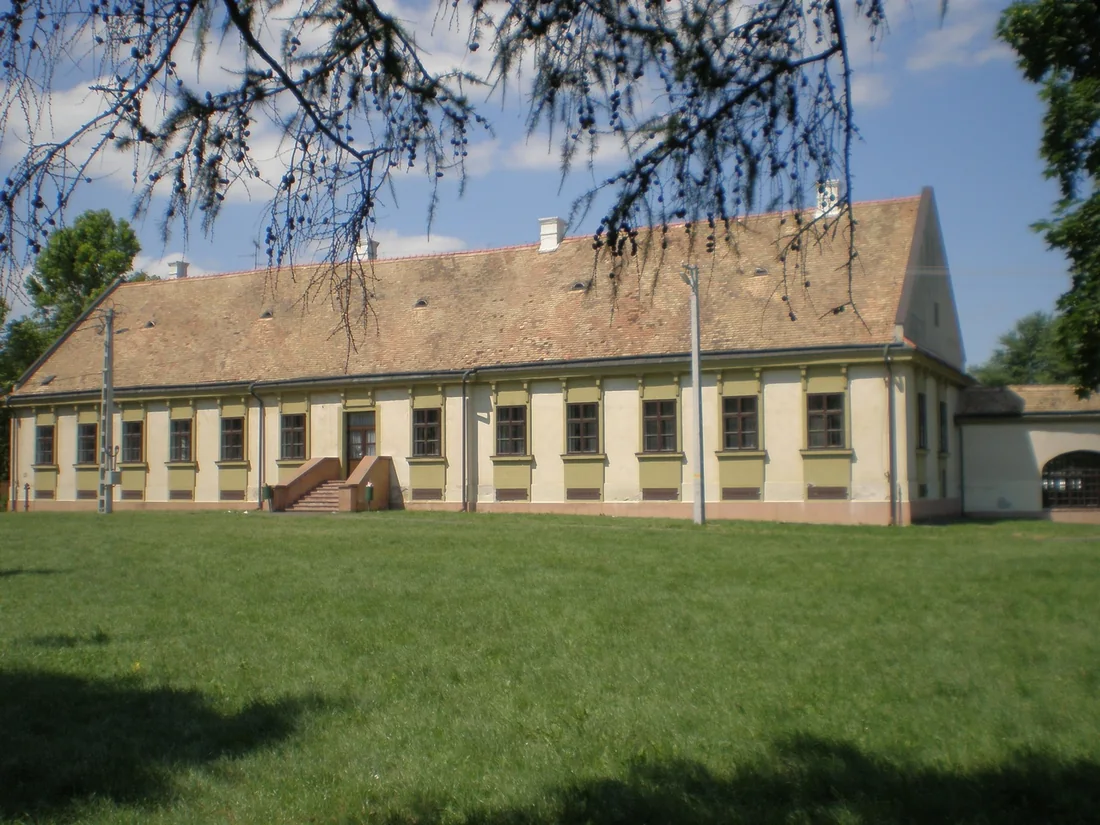
Disznótor is the communal meal and hospitality associated with winter pig slaughter. In Győr-Ménfőcsanak, the Bezerédj Castle cultural centre presents the village custom through a public programme. The organiser advertises both food preparation and a butchery demonstration.
Hungary
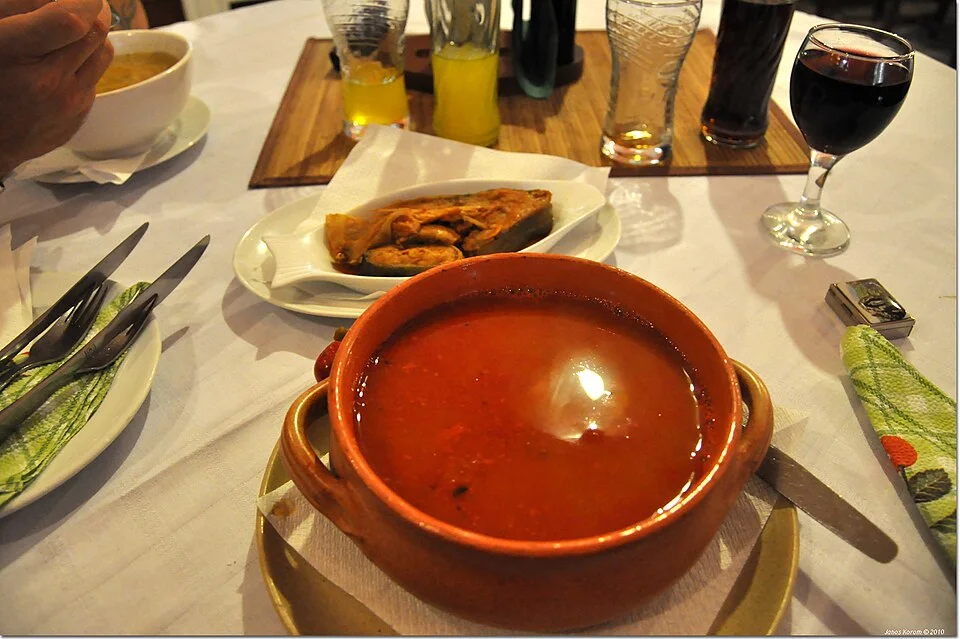
In Baja, fish soup is cooked fresh in a cauldron and served with cooked matchstick noodles. As you wait for a bowl, watch where the cooks are working and when the noodles join the meal.
Hungary
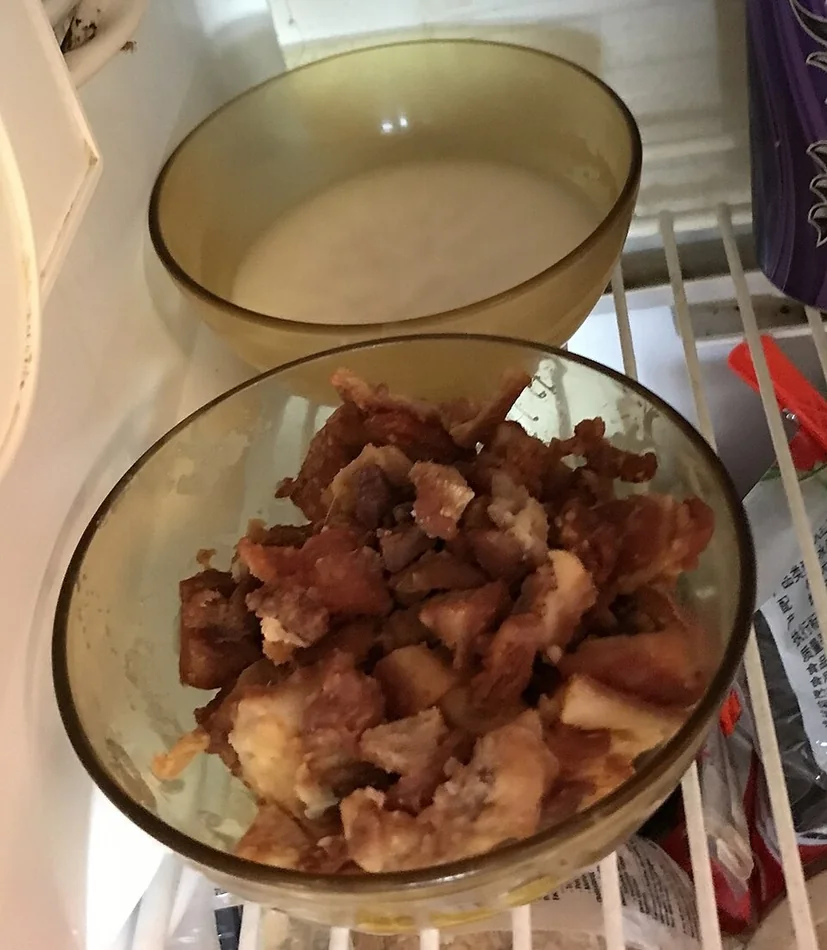
At Mórahalom’s festival, fruit spirits and freshly cooked pork cracklings share the programme. If you want to taste, start by asking which fruit went into the spirit and where the producer comes from.
Bulgaria
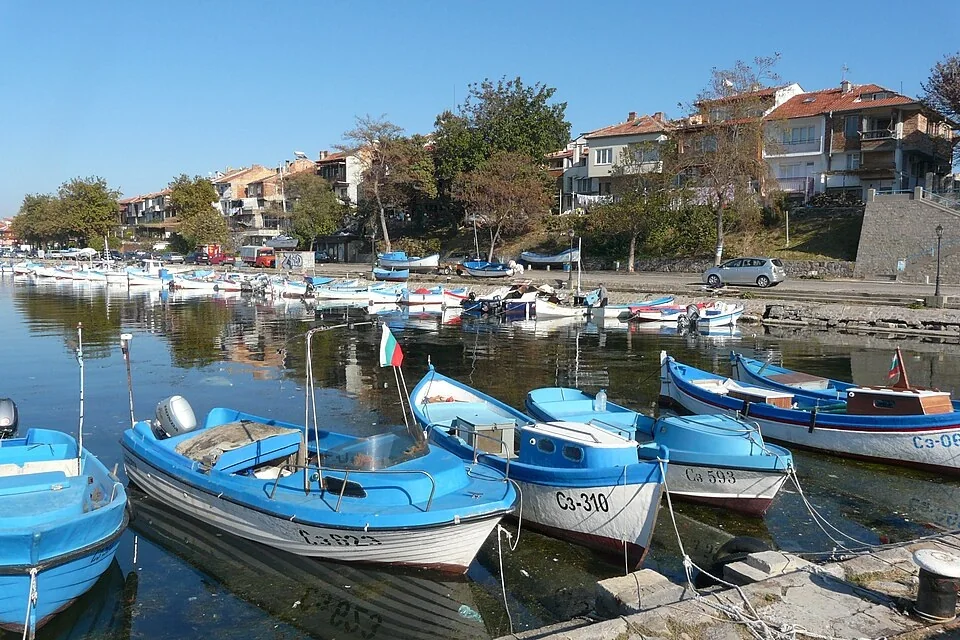
Two festivals show different ways of bringing Black Sea fish to the table. Sozopol serves salted bonito and marinated fish, while Shabla’s gathering centres on fish soup.
Czechia
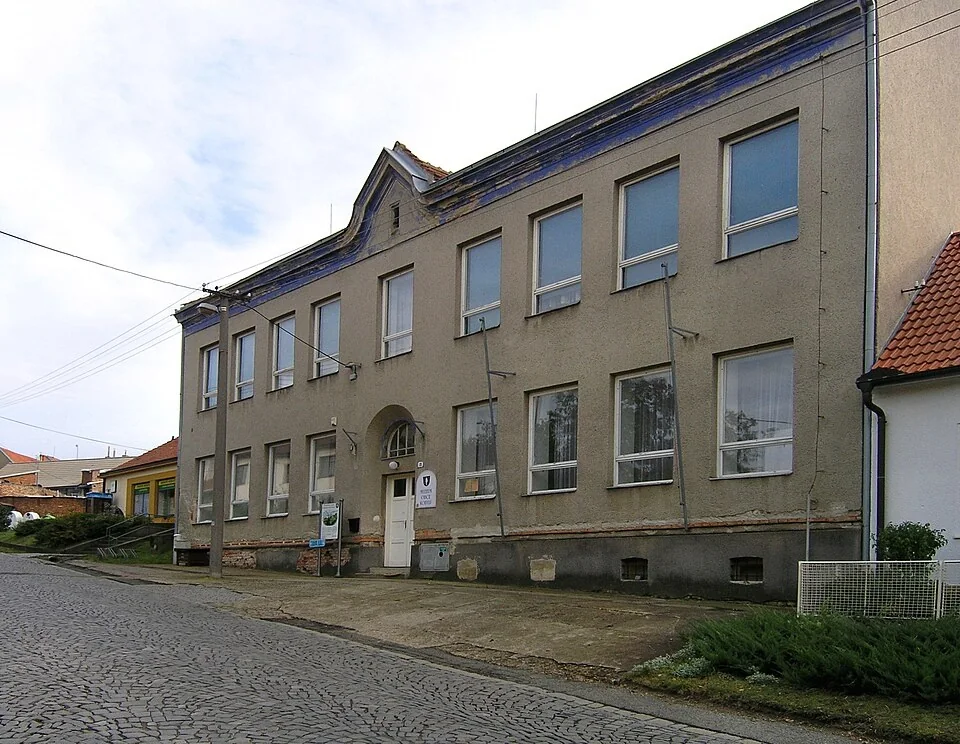
In the South Moravian village of Kobylí, the village museum hosts a zabíjačka feast. Its furnished kitchen and farming collections put the food in the setting of household work.
Slovakia
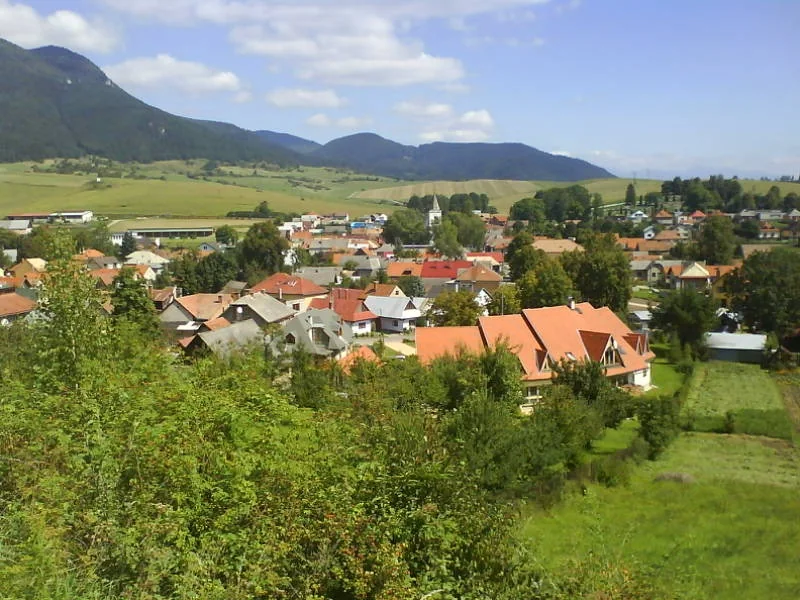
At Likavka, near Ružomberok, the village zabíjačka brings a market, traditional pork foods and a gathering of neighbours to the local sports grounds.
Slovakia
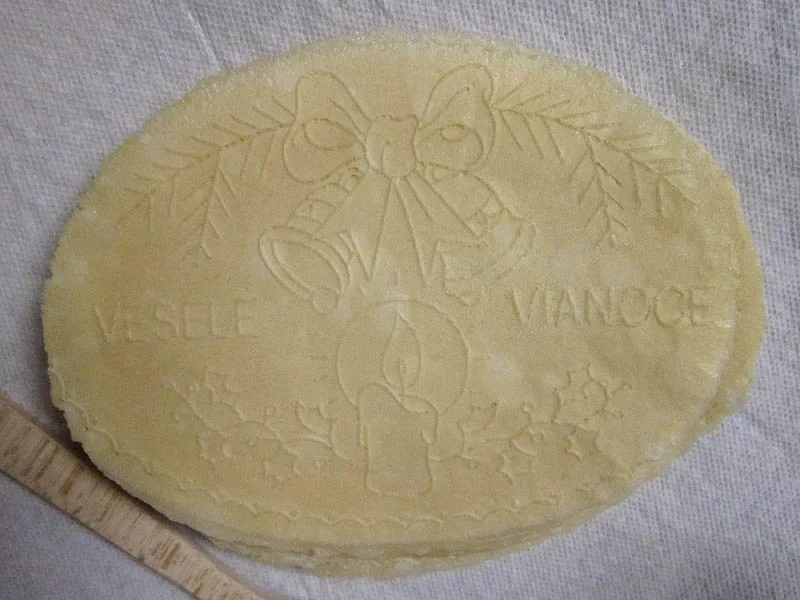
At Christmas in the Village in Martin, the wafer demonstration connects an embossed baking iron, household visits and the Christmas Eve table.
Slovenia
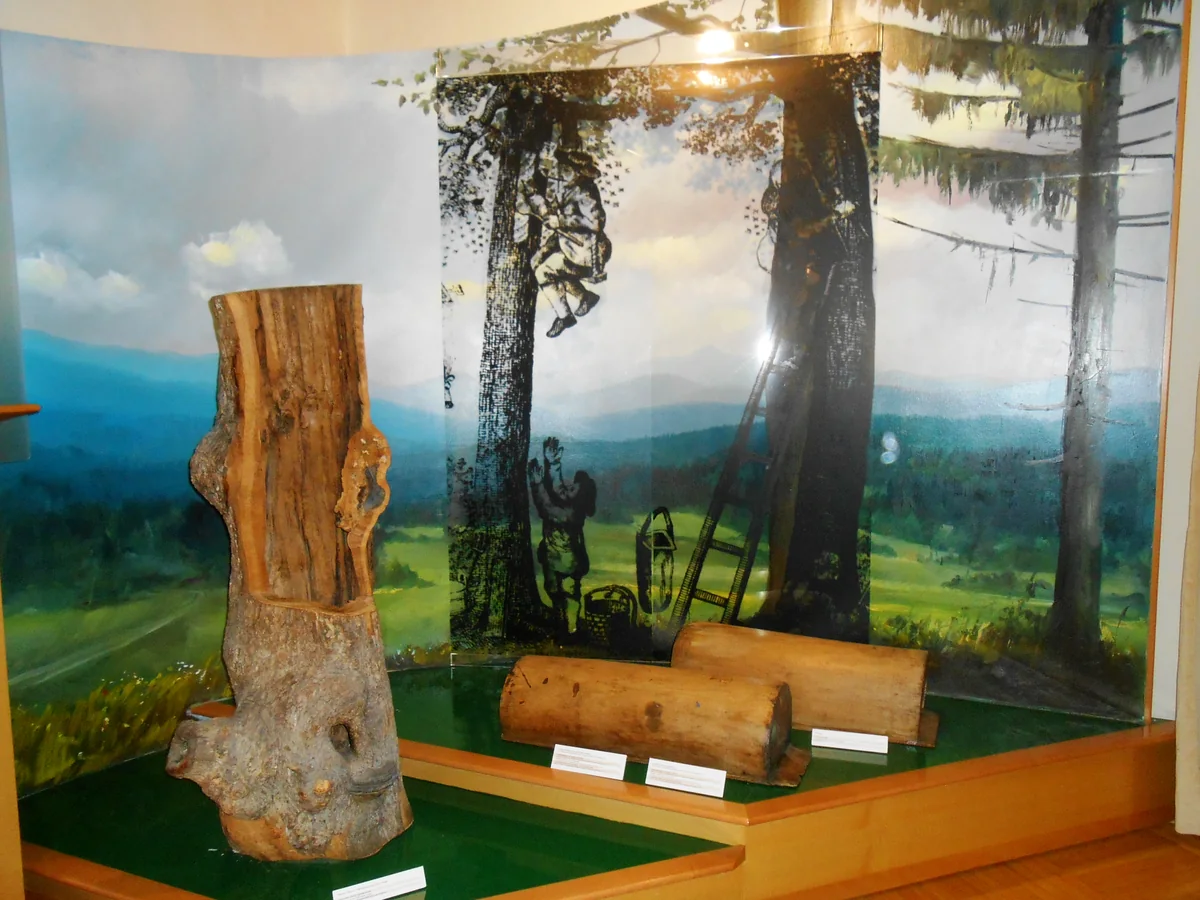
The manor in Radovljica brings a beekeeping collection and an Advent fair under the same roof. See painted hive fronts in the museum and ask the fair’s producers about local honey.
Croatia
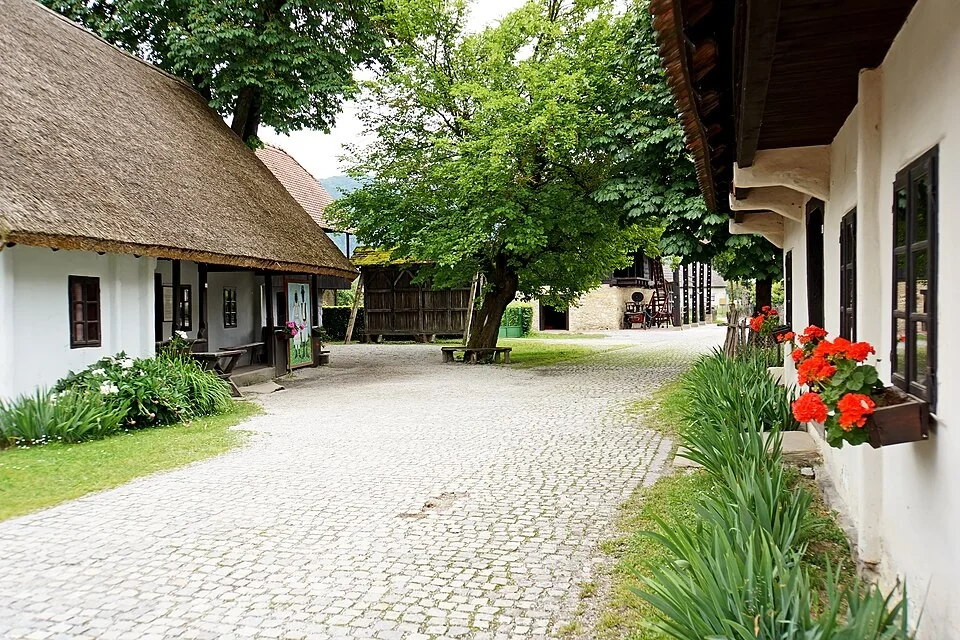
On the eve of St Nicholas Day, children leave their little boots on the windowsill. At Kumrovec’s Old Village Museum, families can learn about the custom among restored Zagorje homes, with St Nicholas and Krampus appearing in the museum programme.
Croatia
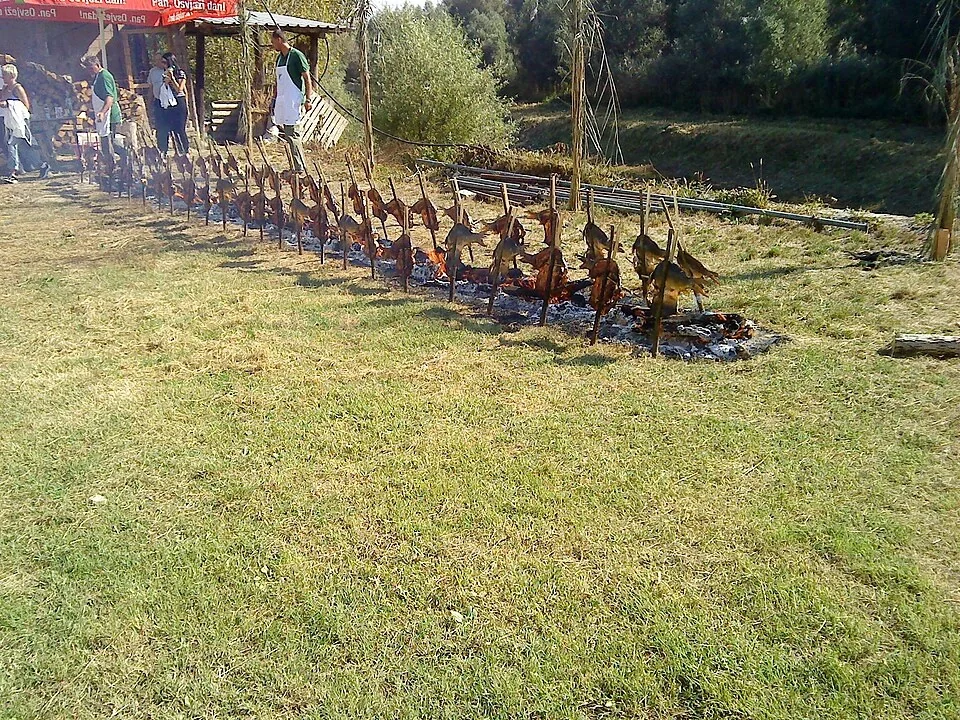
Kopačevo Fishermen’s Days brings together fiš paprikaš and carp roasted on wooden forks. Each dish shows a different way Baranja cooks work with freshwater fish.
Moldova
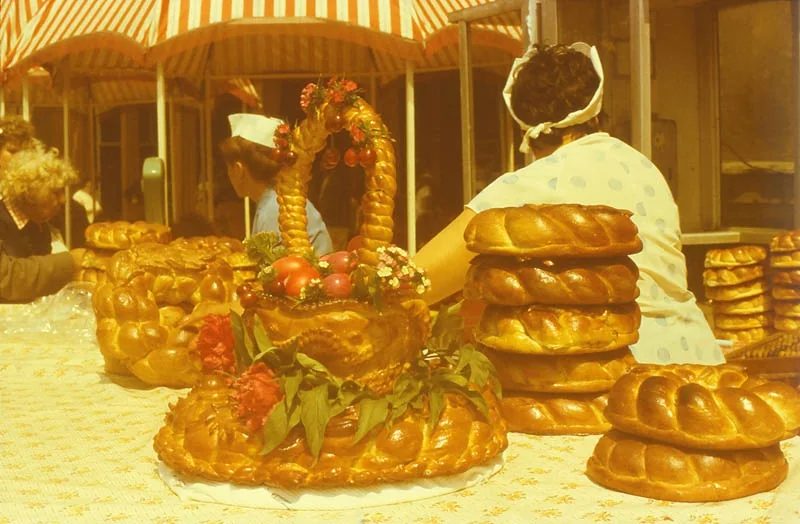
The Colindăm din sat în sat festival brings Christmas carols and New Year’s wishes to Sofia in Drochia district. The household tradition also involves a gift from the people who receive the singers.
Moldova
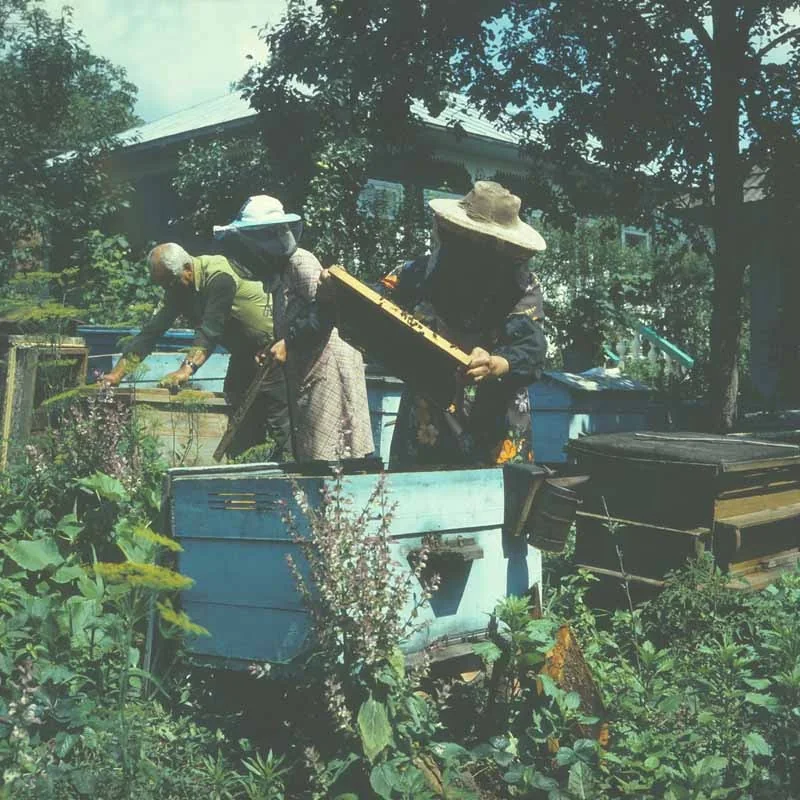
The Honey and Hive Festival in Baimaclia, Căușeni district, brings local producers and visitors together. A jar of honey can start a conversation about the apiary, the plants and the season.
Listen for a blessing at the door, a bell in the lane or a song that only returns once a year.
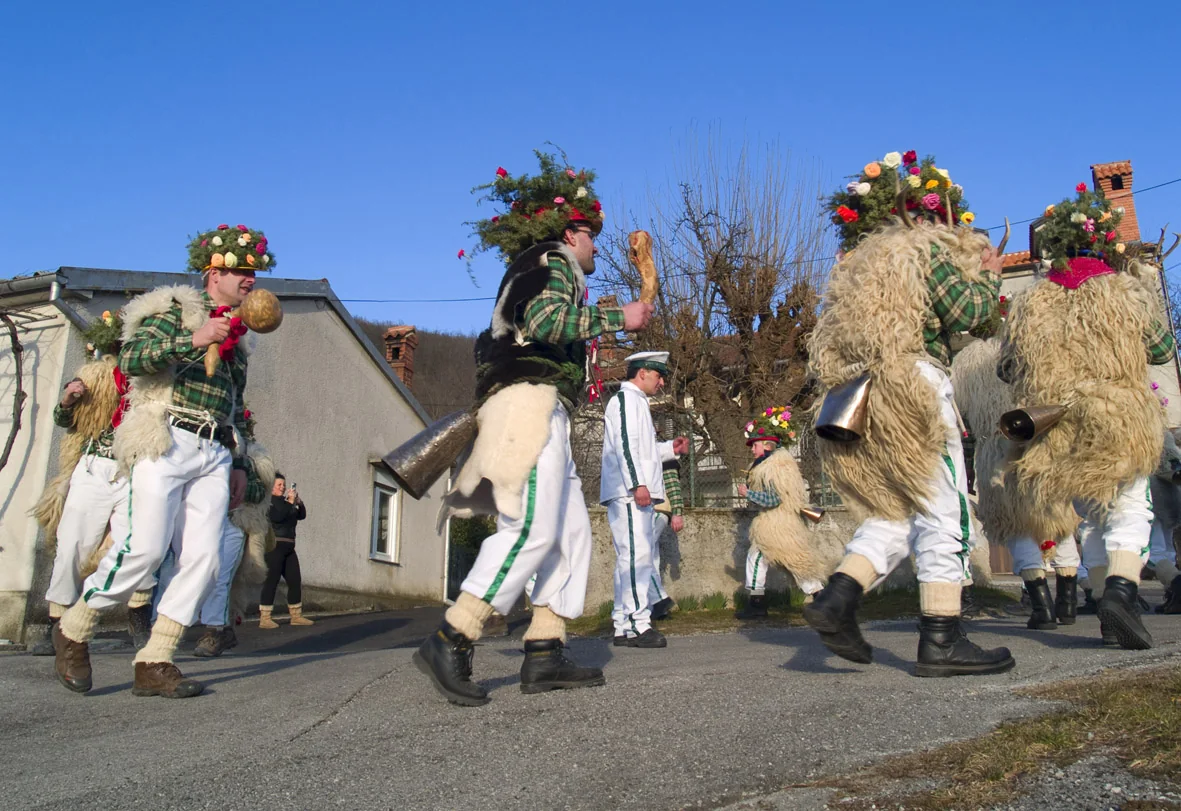
In Agnita, whips and bells accompany a procession with roots in the town’s Saxon guilds. Surova in the Pernik villages and the Kurenti around Ptuj each have their own routes, hosts and calendar.
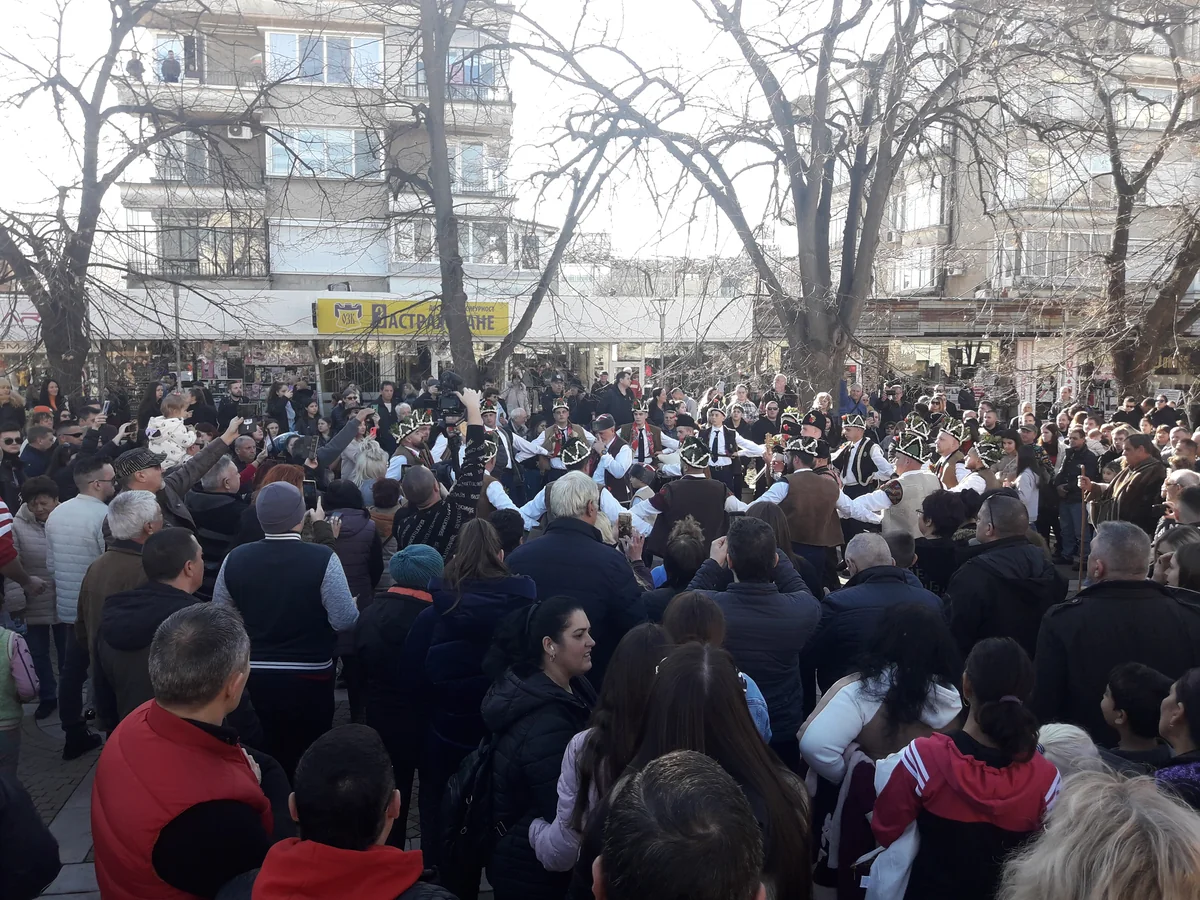
In parts of Romania and Moldova, groups carry colindat songs from house to house. Bulgarian koledari and Czech Three Kings rounds have their own timing, repertory and social purpose.
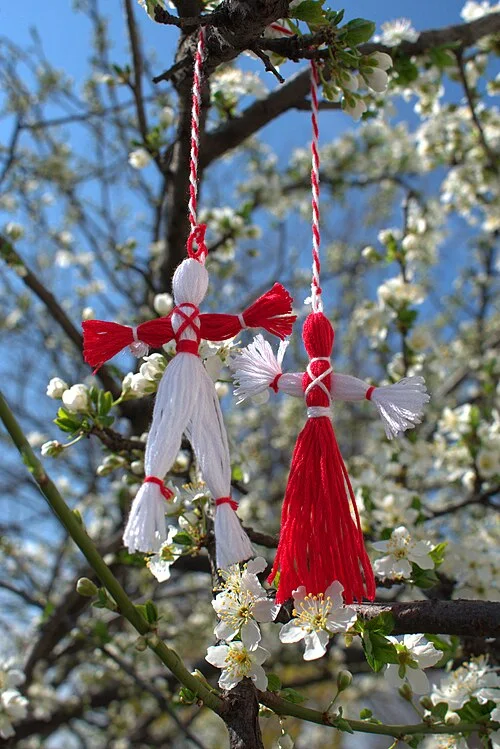
From red-and-white threads to Easter rounds and painted eggs, many spring customs mark a change that can be worn, carried or shared.
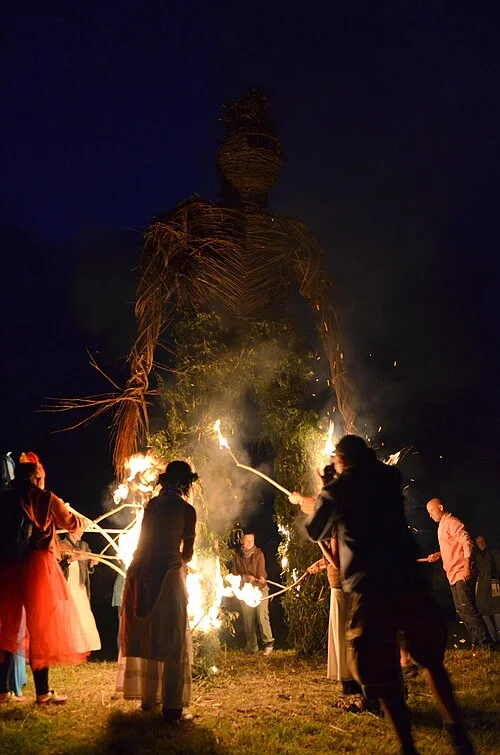
In early summer, a wreath of flowers or a fire by the water can be the centre of a public gathering. Follow the local calendar and listen for the names people use for those customs.
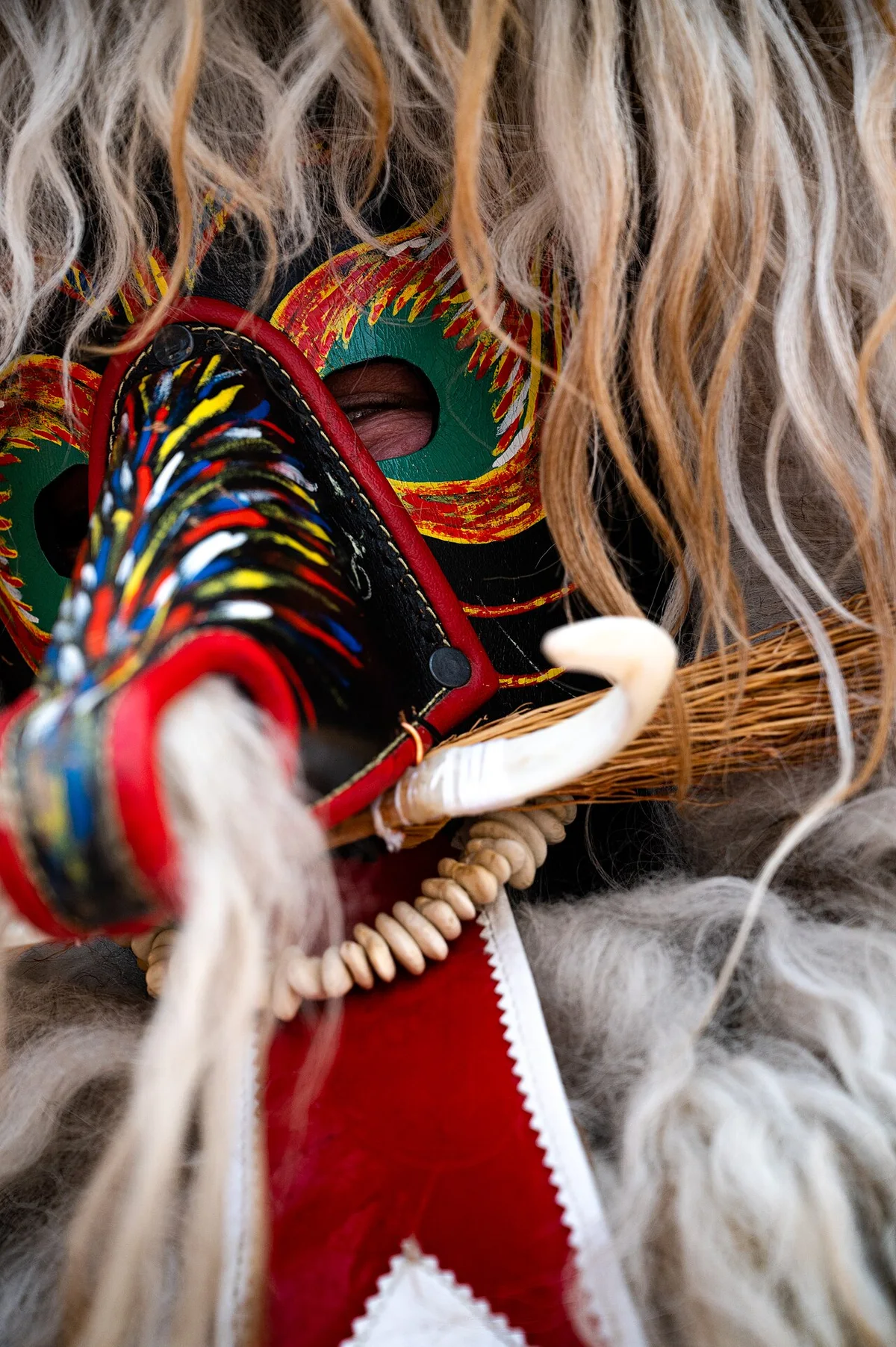
Ptuj · Slovenia
You hear the bells before you see the Kurenti. During Shrovetide, groups visit homes around Ptuj, jumping and ringing their bells to bring the households good fortune. At Ptuj’s Kurentovanje carnival, groups from different communities also appear on the town’s streets.
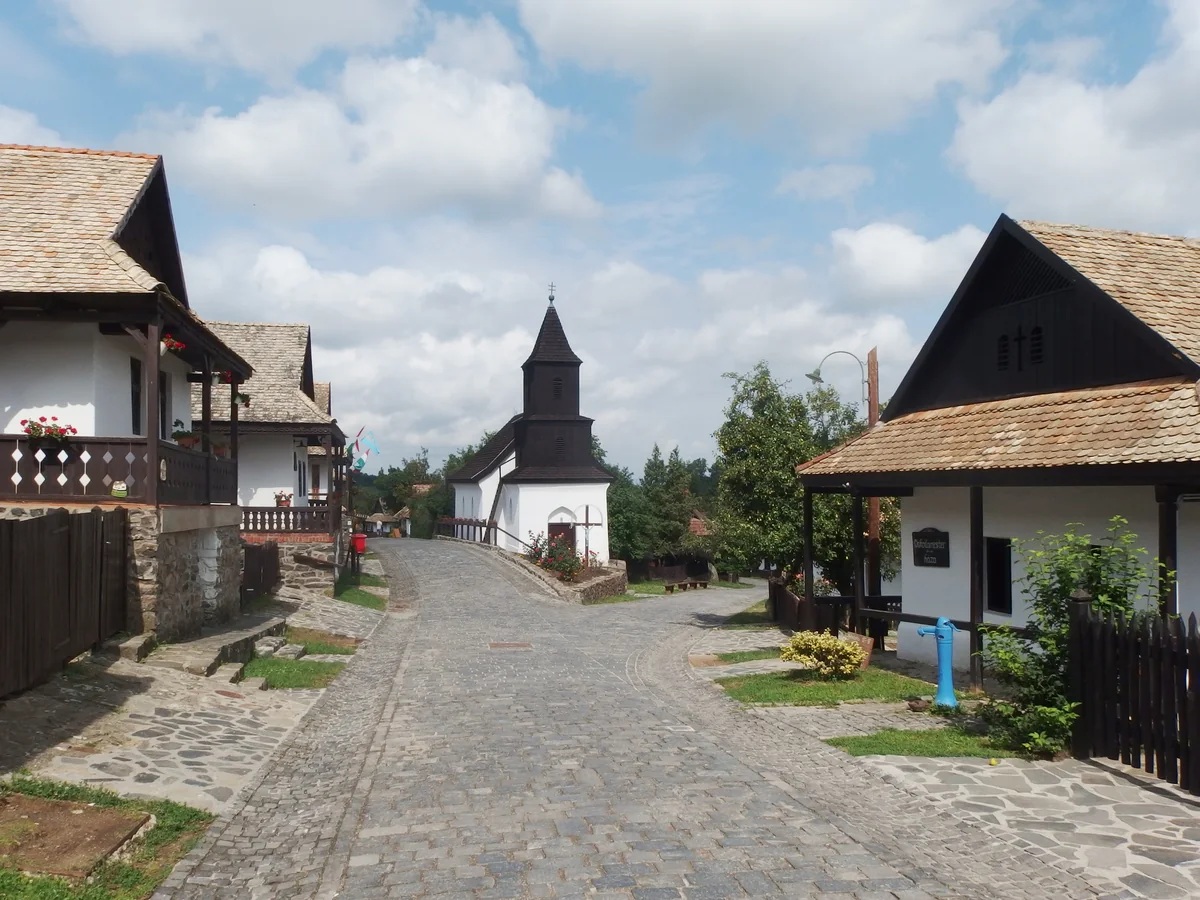
Hollókő · Northern Hungary
In Hollókő the Easter sprinkling custom is performed among the houses and yards of the old village. Find the public demonstration in the programme, then leave time for an exhibition and a walk through the quieter lanes.
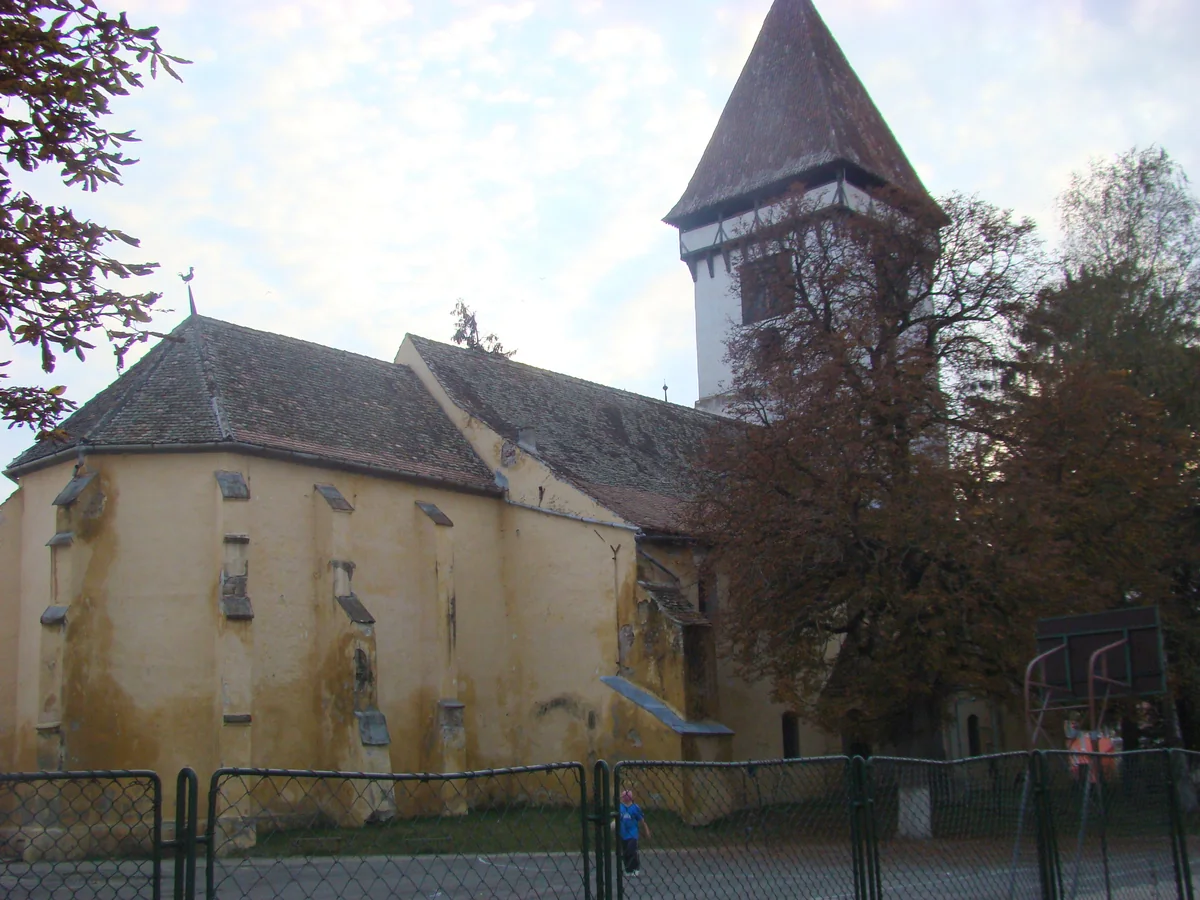
Agnita · Transylvania
In Agnita, in the Hârtibaciu Valley, masked lole accompany the Transylvanian Saxon guild parade. Look for the chests, flags and characters of each trade, then listen as the bells fill the street.
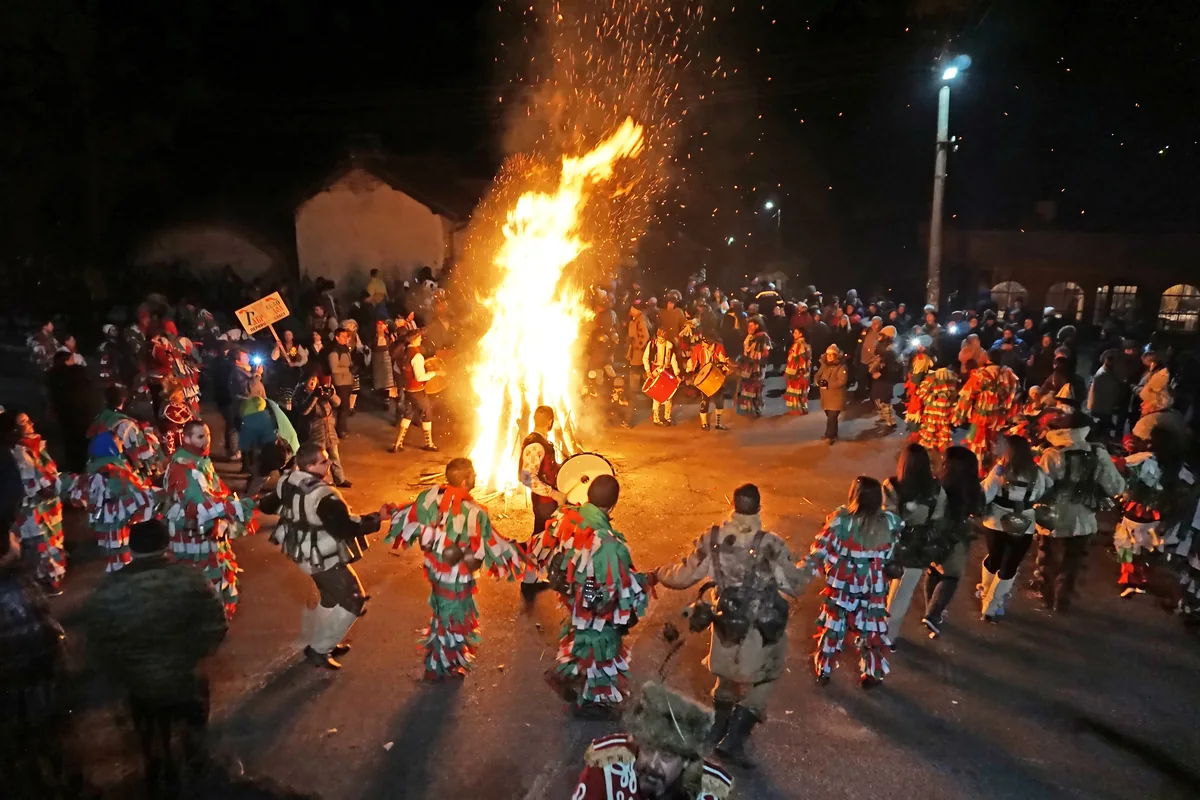
Villages near Pernik
Bells bring neighbours together around the fire for Surova. The following morning, masked groups visit homes with wishes for health and good fortune.
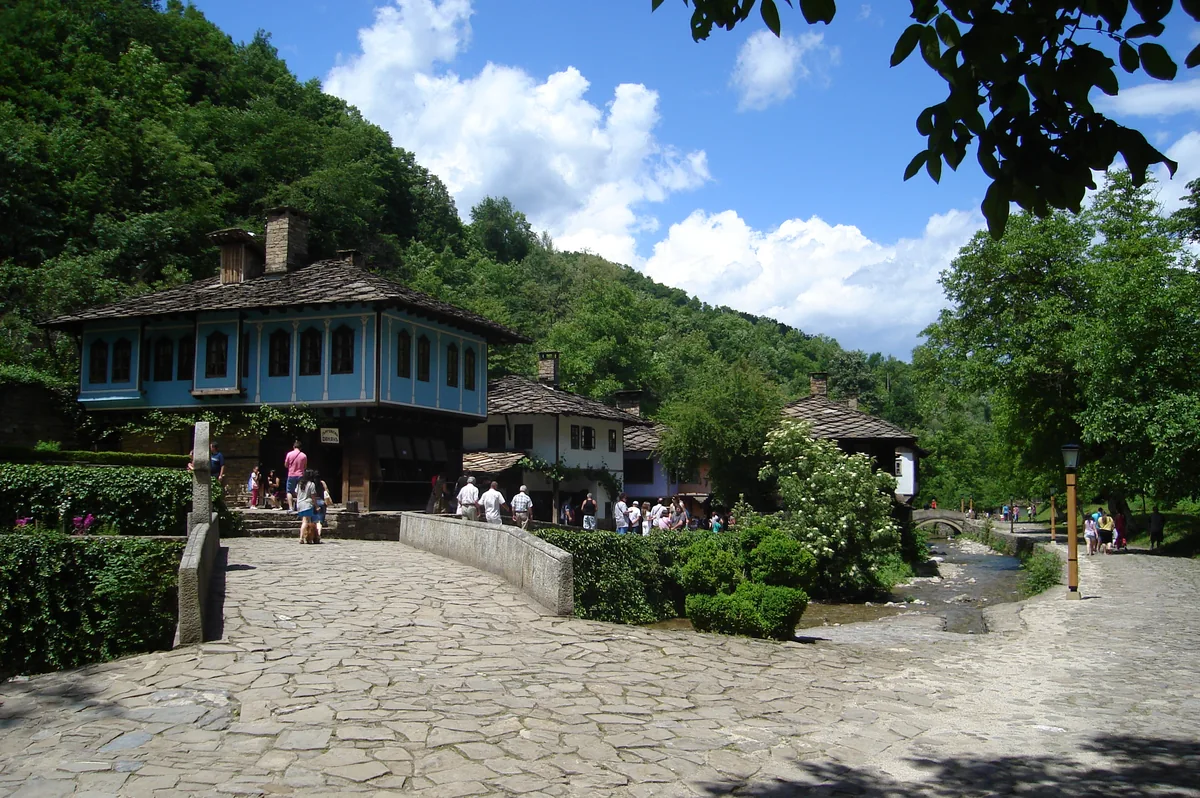
Bulgaria
Young people at the Etar museum learn the songs, blessings and roles of a Bulgarian carolling group. The public re-enactment shows how the singers and their hosts received one another.
Czechia
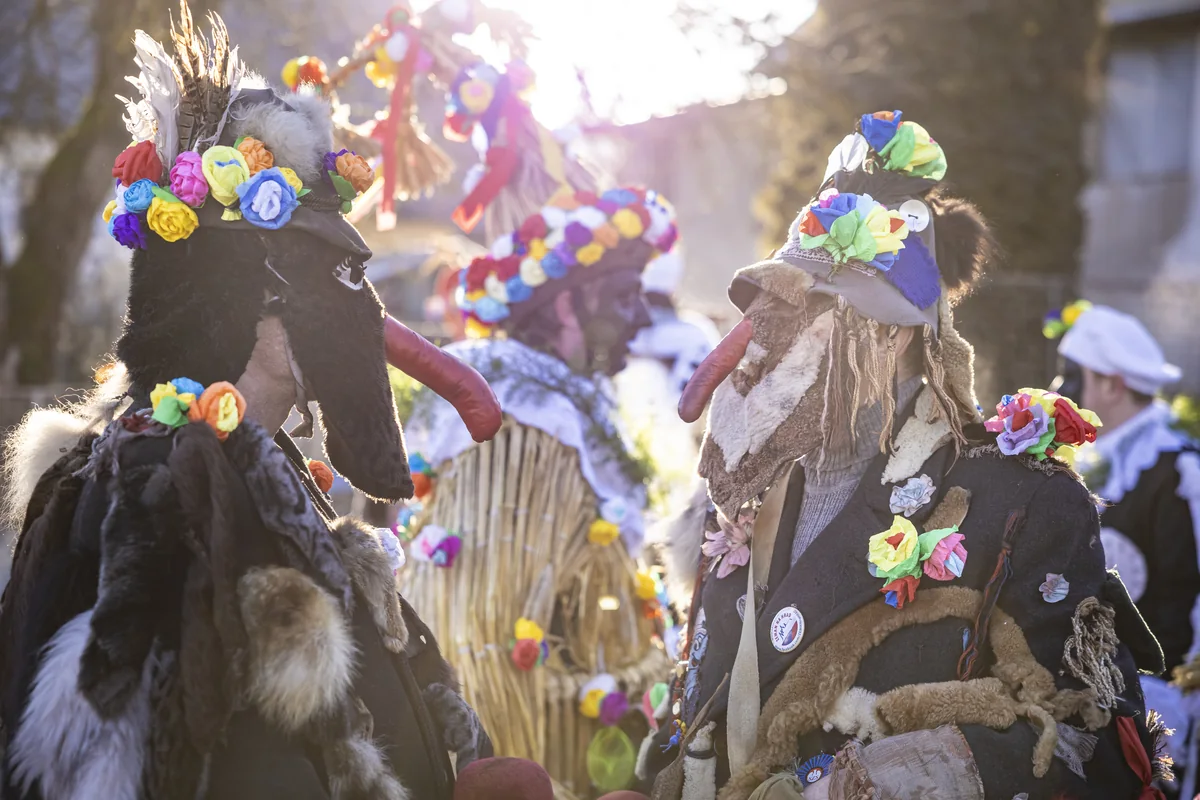
Before Lent, masked groups go from house to house in the Hlinsko area, dancing and wishing their neighbours health and good fortune. Watch a local group lead the rounds at the Veselý Kopec open-air museum, or see the masks up close in Hlinsko’s Betlém quarter.
Czechia
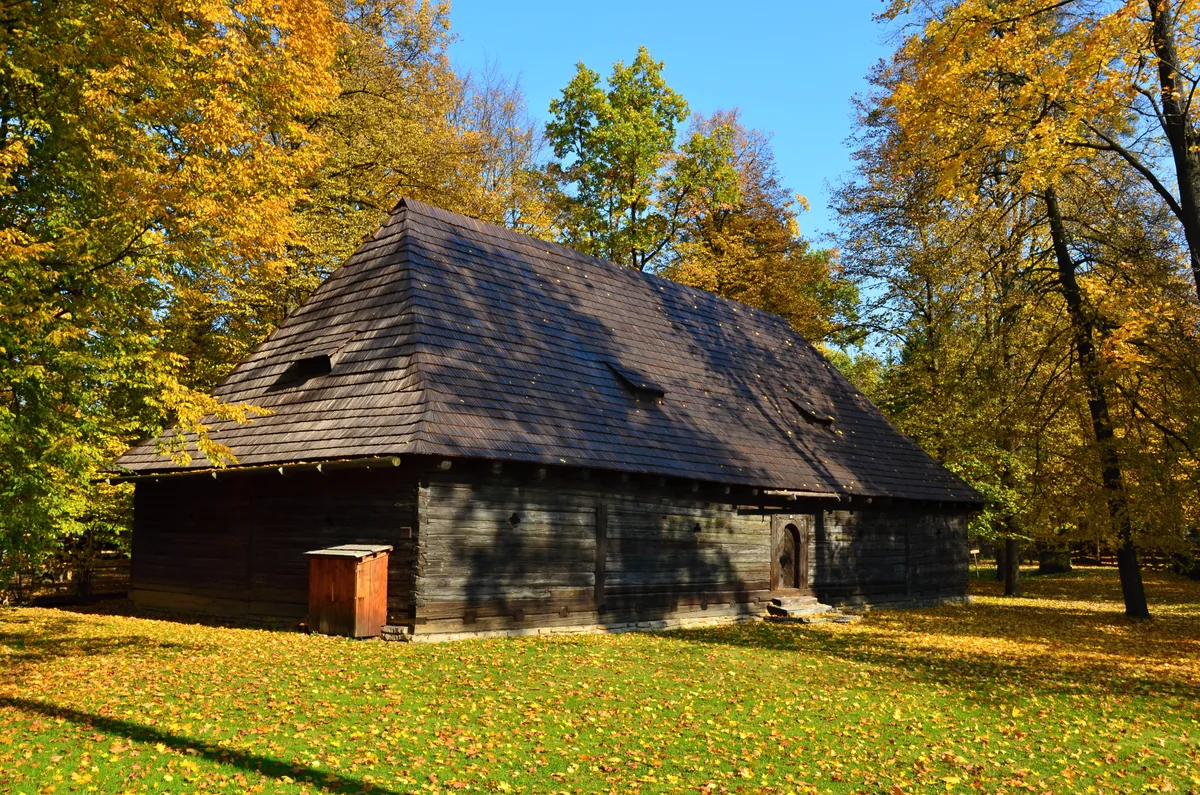
At the Wallachian Open Air Museum in Rožnov, winter programmes open village houses for rounds, songs and baking.
Slovakia
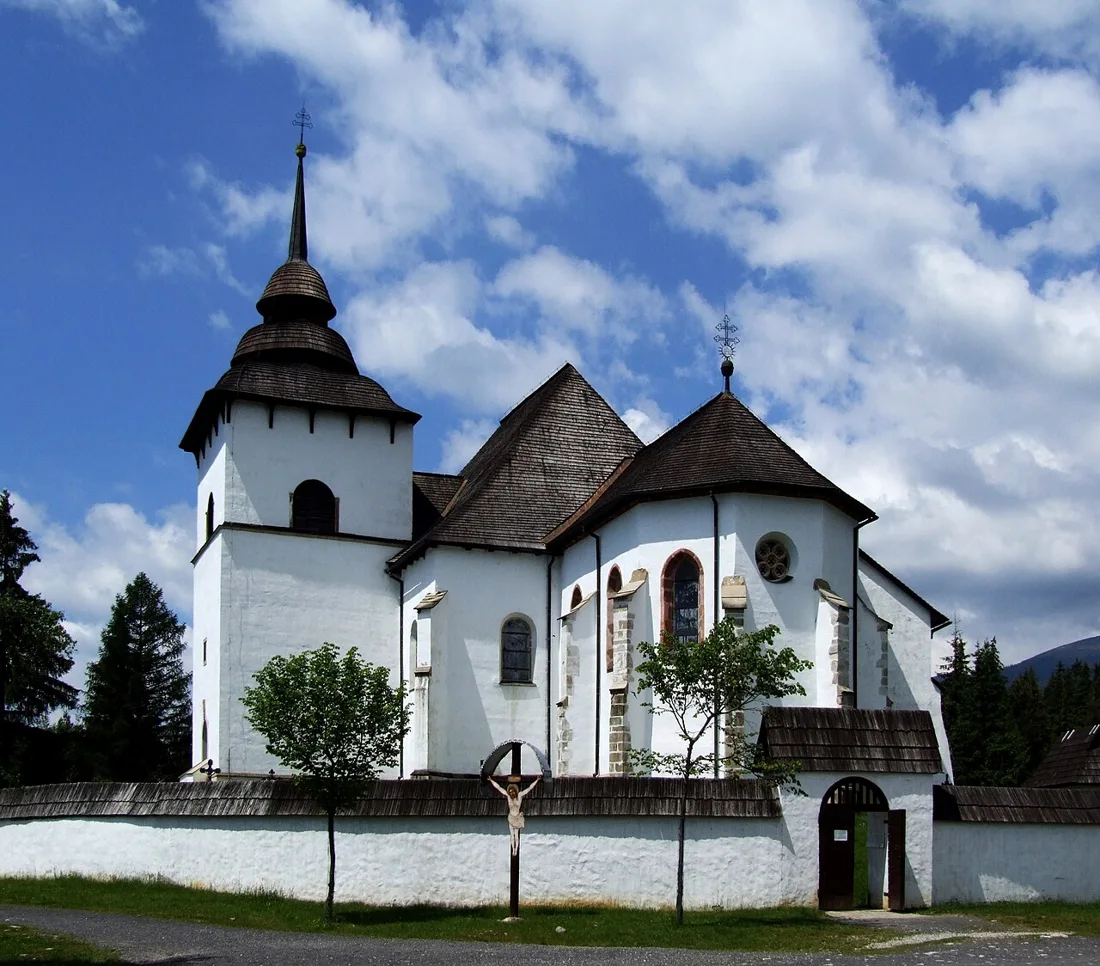
At the Museum of Liptov Village in Pribylina, the Christmas programme includes carols and spoken blessings. The songs and verses recall the visits neighbours made to wish each other health and a good year at the doorstep.
Austria
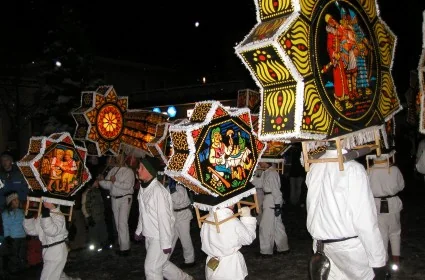
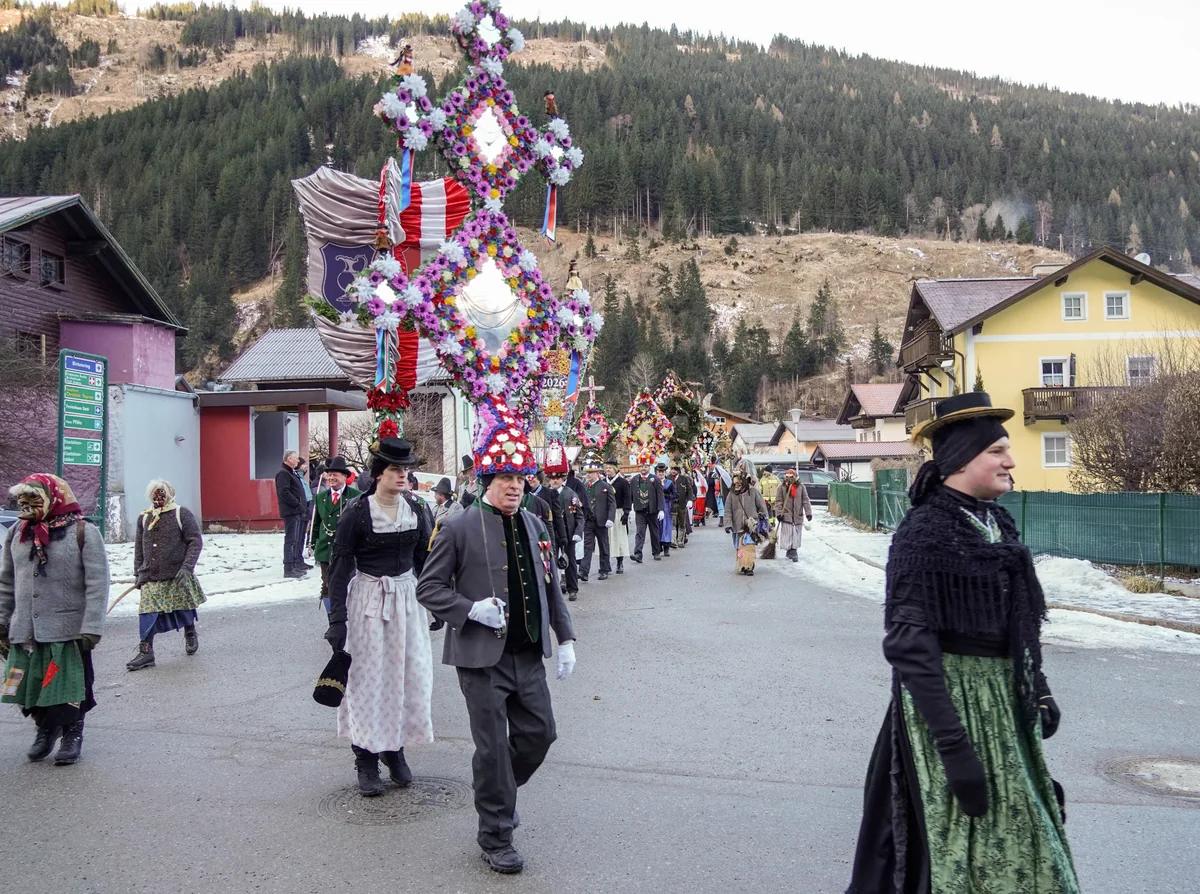
At Bad Ischl’s Glöcklerlauf, groups from neighbouring communities come into town in white clothes, with illuminated headdresses and bells at their belts. The runners move in single file and trace circles and figures of eight together.
Austria
In the Gastein Valley, the wearers of the tall headdresses wish people along the route good fortune with a short dance and a bow.
Follow the work that connects herd, hillside, cellar and market.
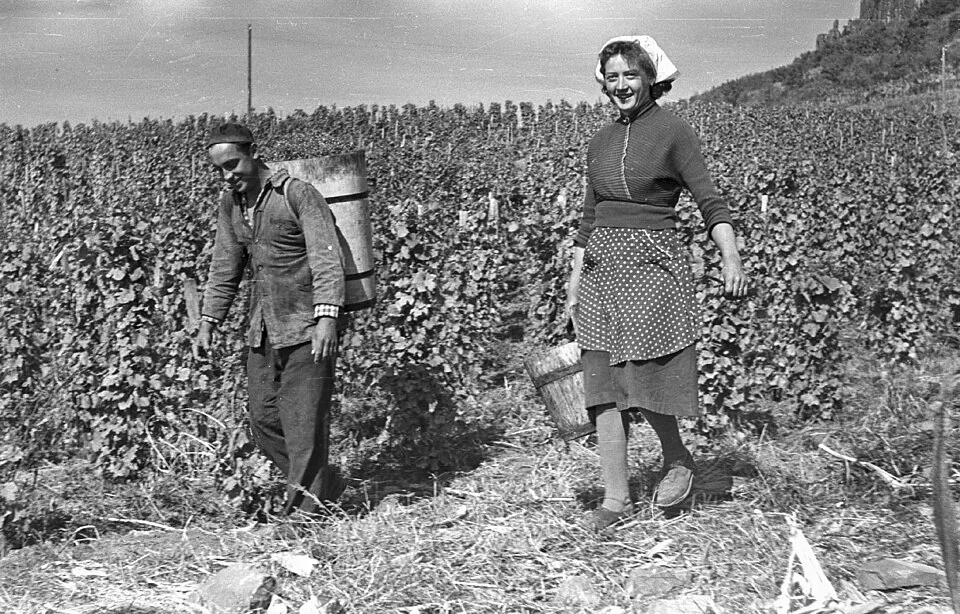
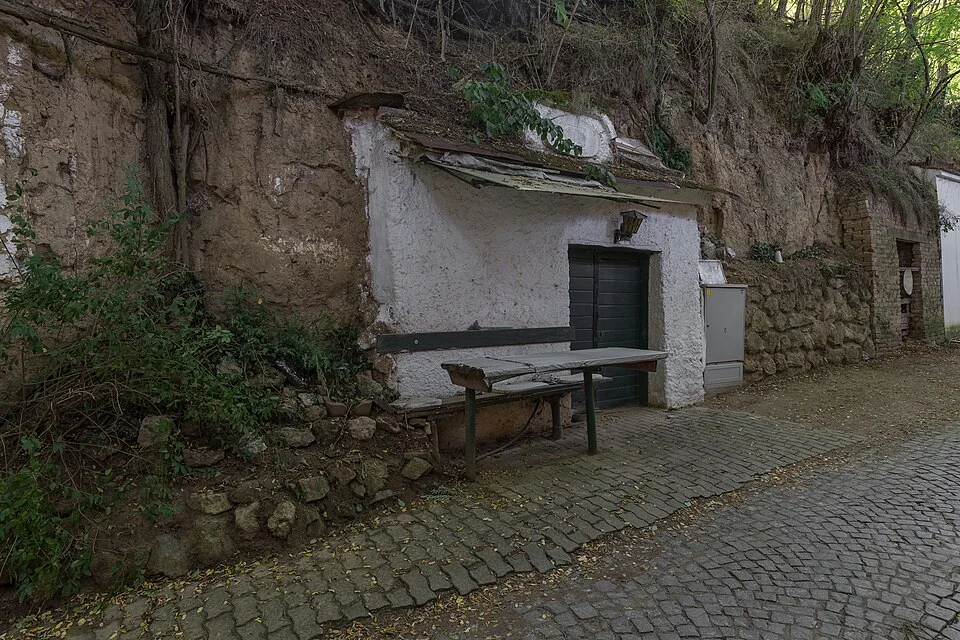
A cellar lane brings the work of separate growers into one shared landscape. Explore it on foot, then pick one grower or harvest gathering and give it time.
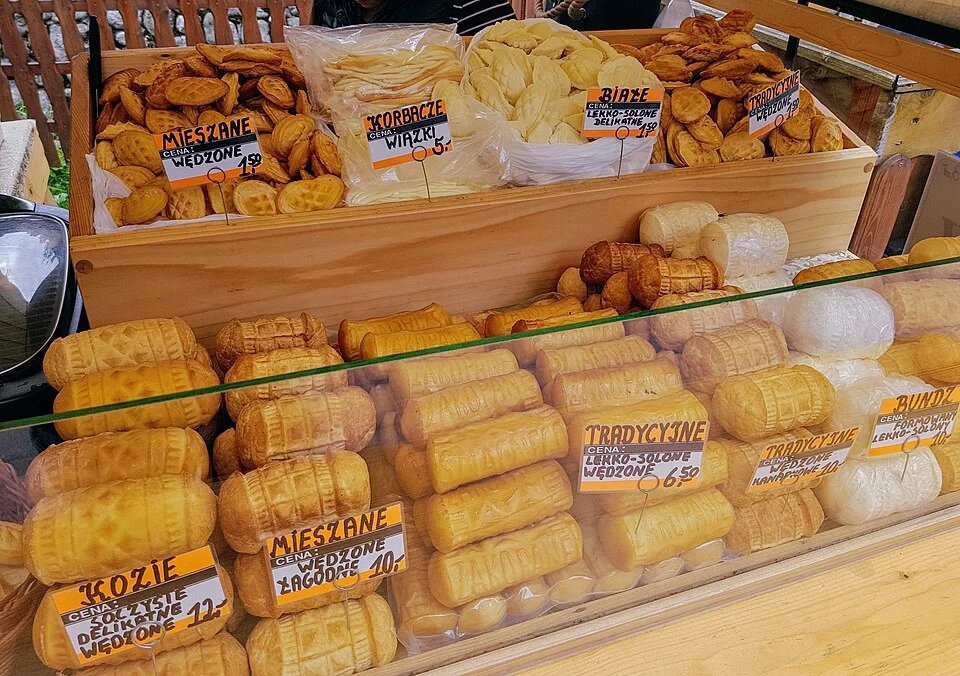
Seasonal grazing connects high pasture and settlement. A publicly announced herd movement or a visit to an open sheepfold can show why cheese, tools and songs belong to the same landscape.
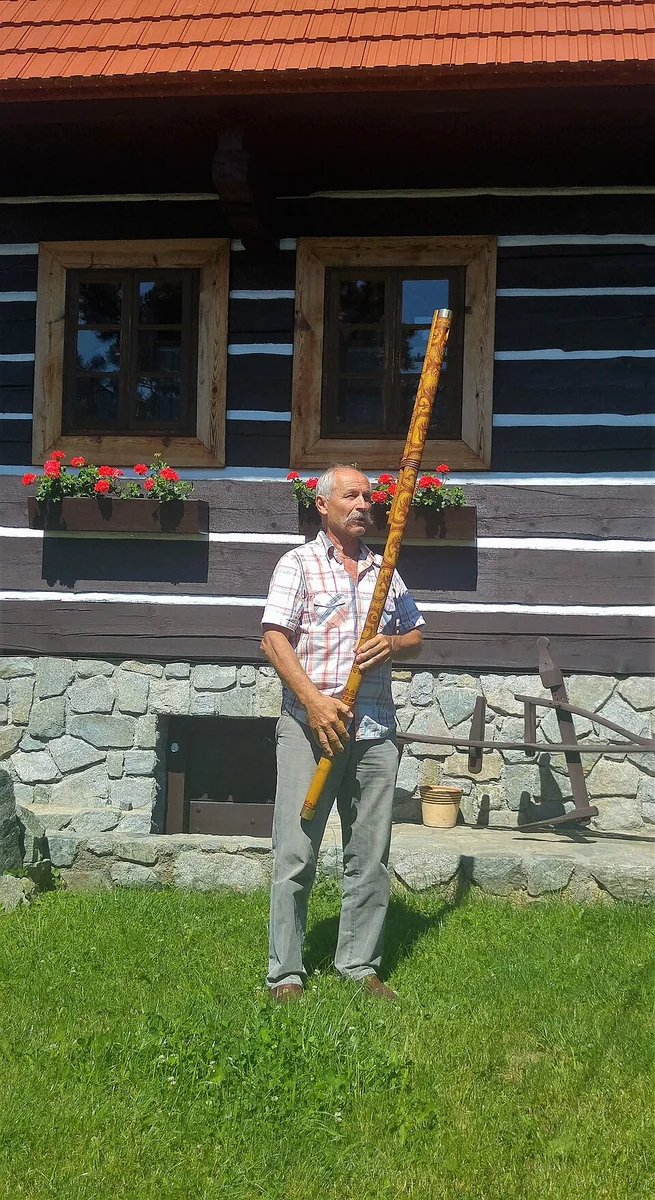
A Slovak fujara and a Polish ligawka carry very different sounds. Hearing how a player shapes one note tells you more than trying to tick off every instrument.
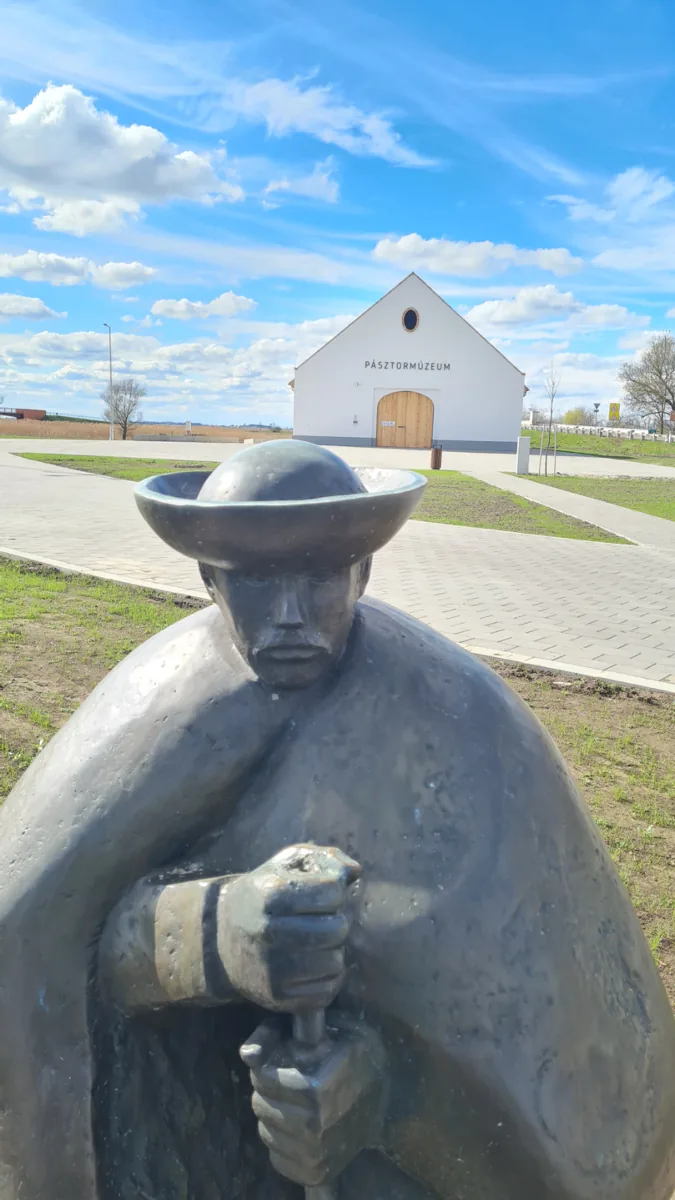
Hortobágy · Great Hungarian Plain
Herding in Hortobágy follows a rhythm set by the open pasture and the winter quarters. The autumn drive makes that change visible. The Herders’ Museum explains the rest of the year even if you visit outside the gathering.
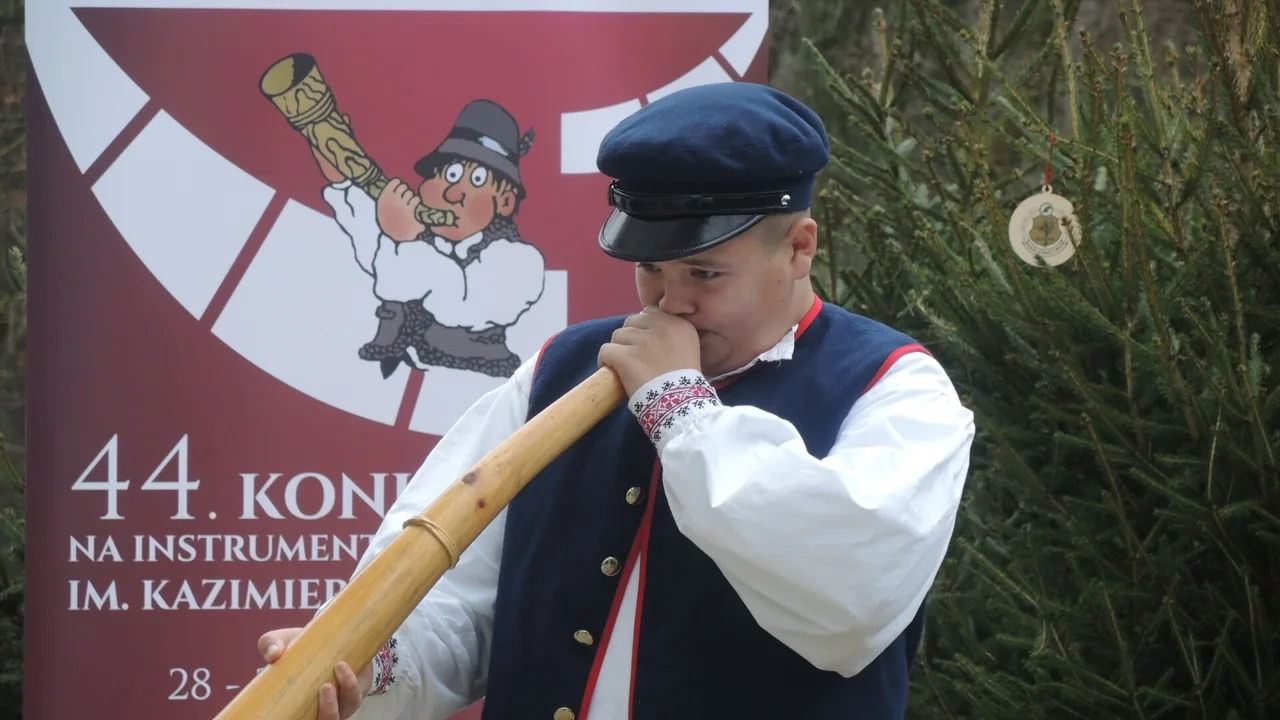
Ciechanowiec · Poland
On the borderlands of Podlasie and eastern Mazovia, the sound of the ligawka once announced that Christmas was approaching. At the shepherds’ instruments competition in Ciechanowiec you can hear this long wooden horn alongside instruments from other regions, played by musicians of different generations.
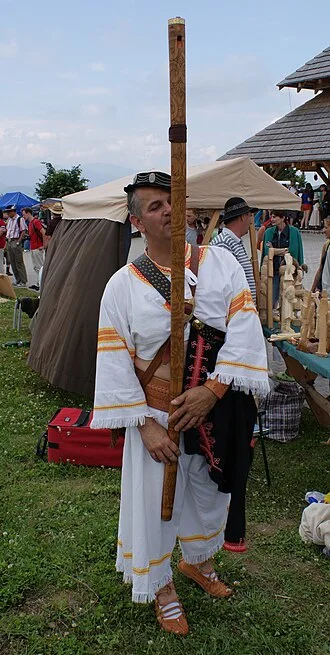
Central Slovakia
A long wooden flute whose breath and overtones tell part of Slovakia’s pastoral story.
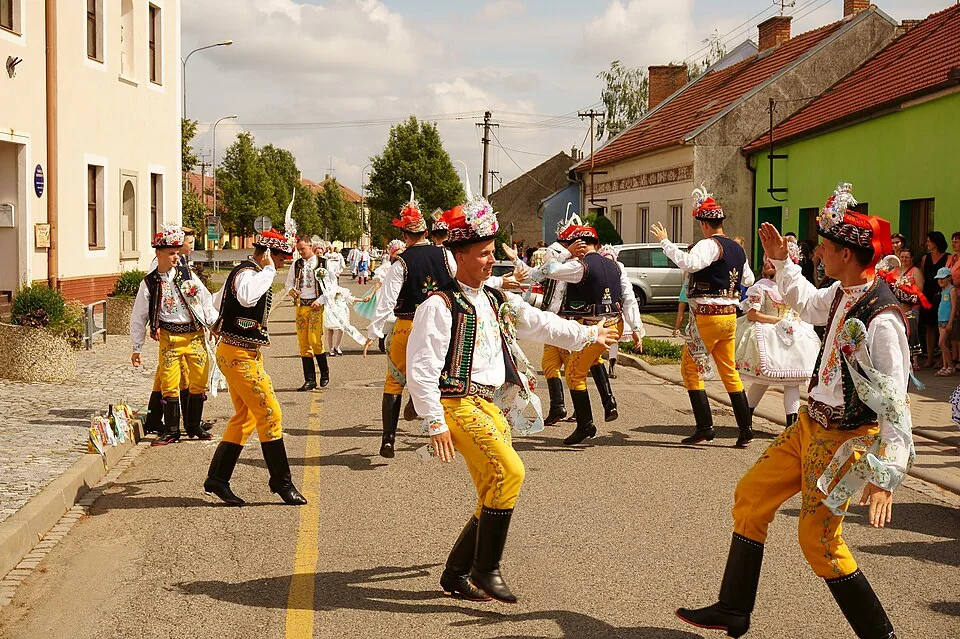
South Moravia
In Strážnice, dancers bring their own style to a shared South Moravian tradition.
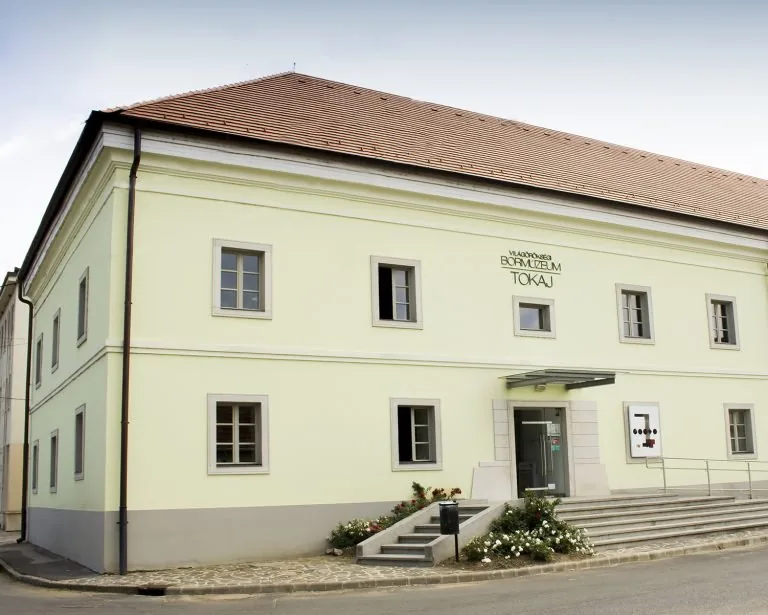
Tokaj · Tokaj-Hegyalja
Once the grapes are picked, the work moves to the press and the cellar. At Tokaj’s World Heritage Wine Museum, tools help trace what happens to the crop from the vineyard to the barrel.
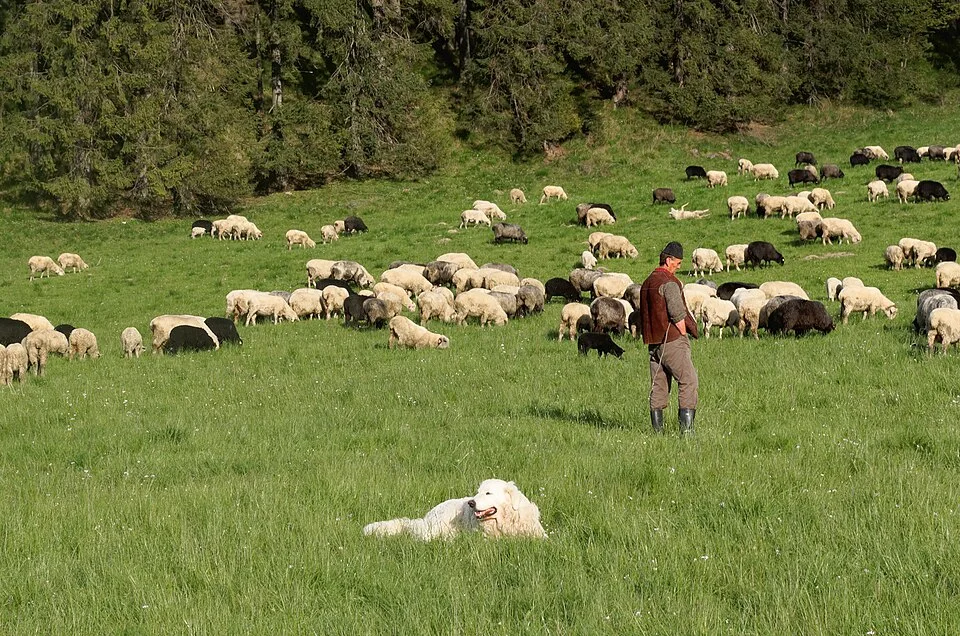
Podhale · Małopolska
Follow a public sheep drive at Szczawnica or Jaworki to see how the grazing season connects the shepherds’ work to cheeses such as oscypek.
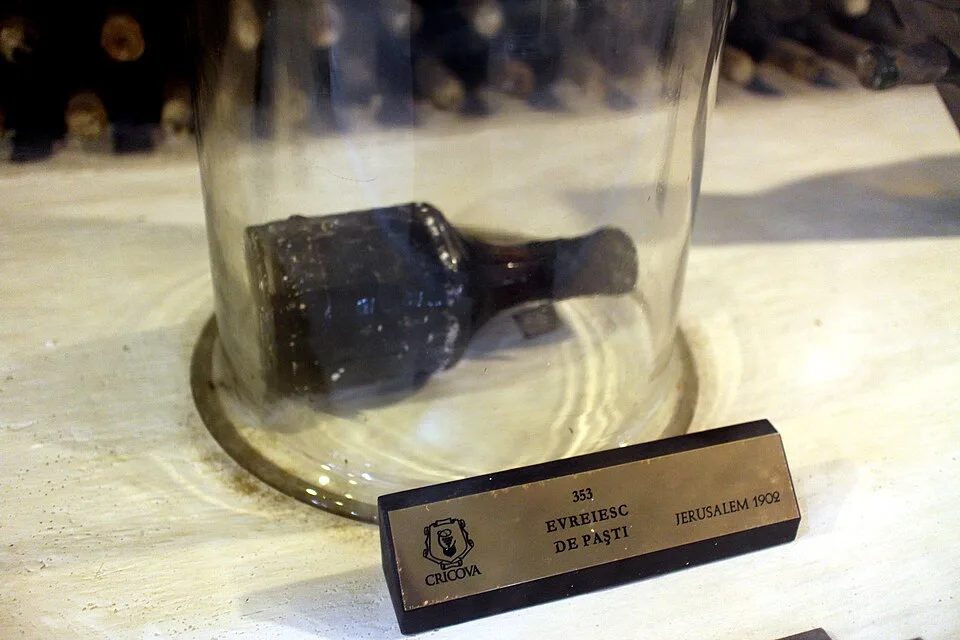
Cricova · Near Chișinău
Cricova’s limestone galleries began as a source of building stone. On a guided visit you can see how the winery uses the underground space to mature, store and present wine.
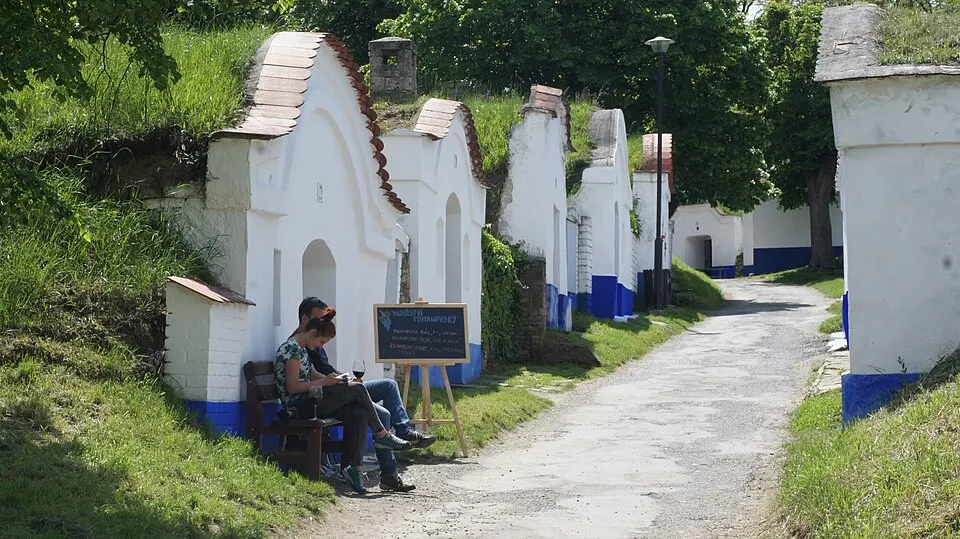
Czechia
In Petrov, blue-trimmed cellar fronts lead to rooms where growers pressed grapes and still invite guests to share a tasting.
Slovakia
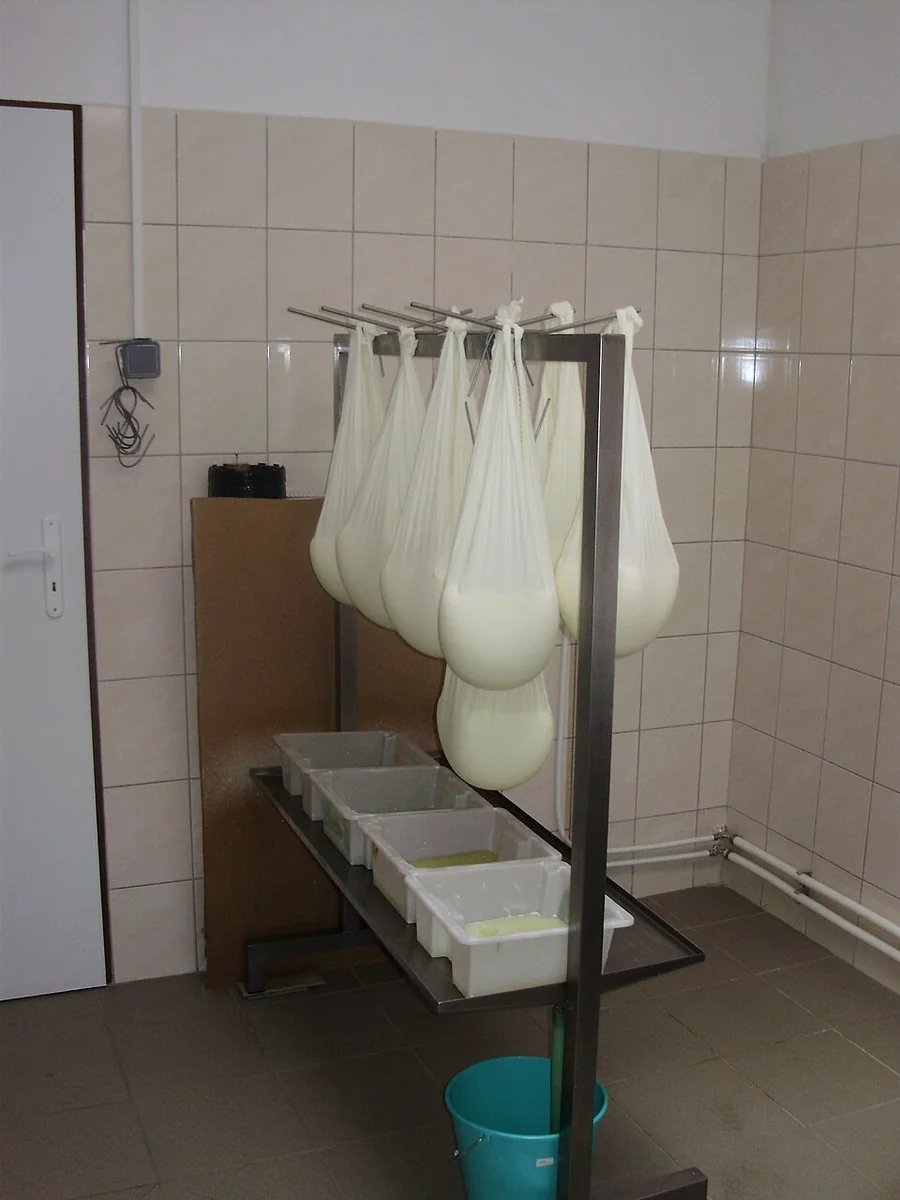
At Východná’s Ovenálie gathering, sheep husbandry and cheese making meet. Watch how makers handle fresh curd, soft bryndza and strands of pulled cheese.
Austria
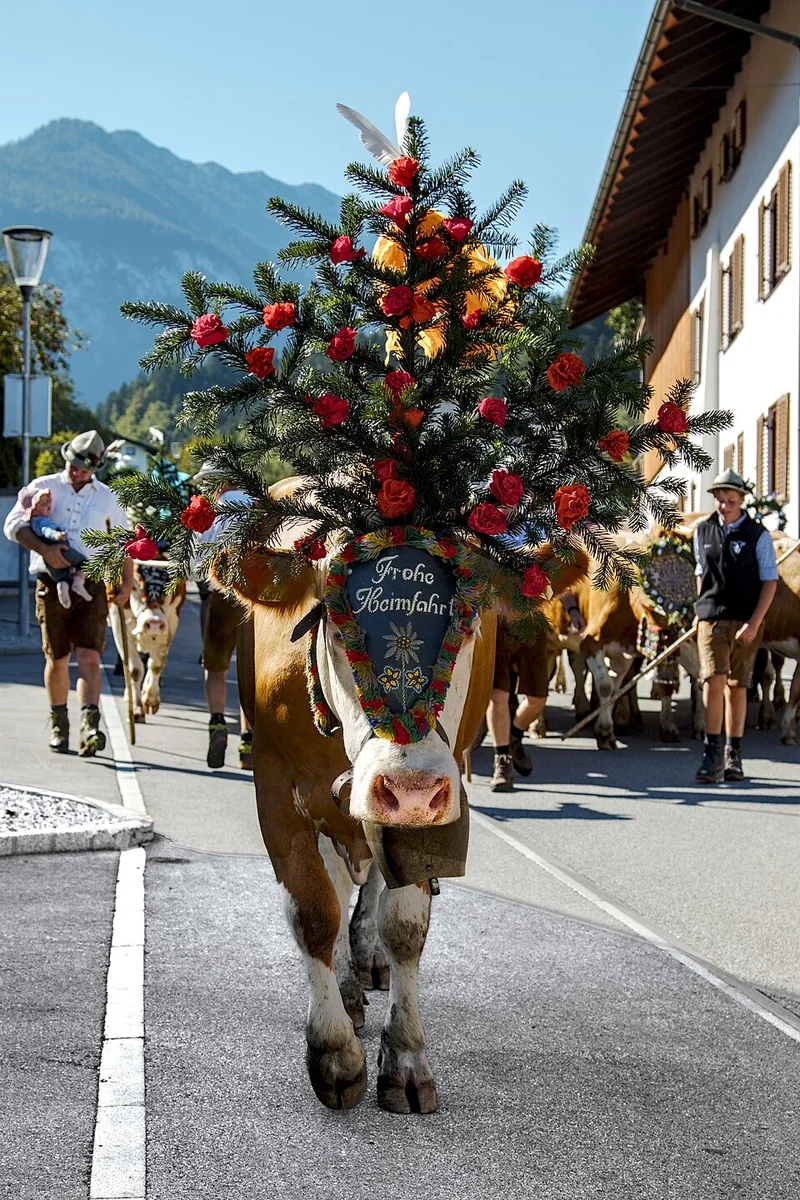
In Reith im Alpbachtal, the Almabtrieb marks the return from summer pastures to the valley. Cattle pass through the village wearing colourful headpieces, ribbons and bells. A farmers’ market, craft demonstrations and music accompany their arrival.
Austria
Follow the wine from the press room to the cool cellar and learn how these lanes became places for neighbours to gather.
Meet the materials and makers behind a painted wall, a timber roof or a handmade bowl.
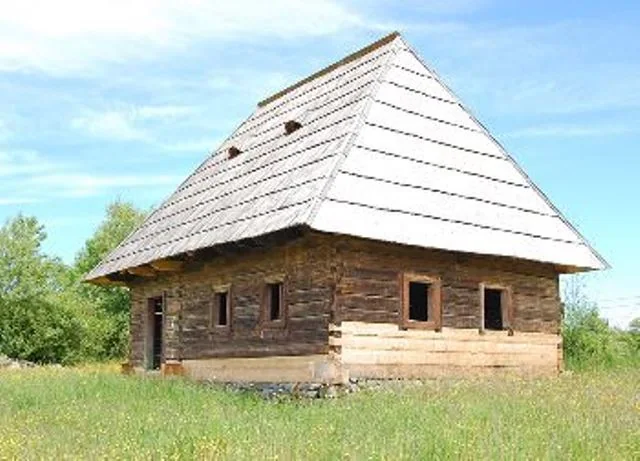
A wooden church frames a village skyline. A farmstead or open-air museum shows where the same material was put to work at household scale.
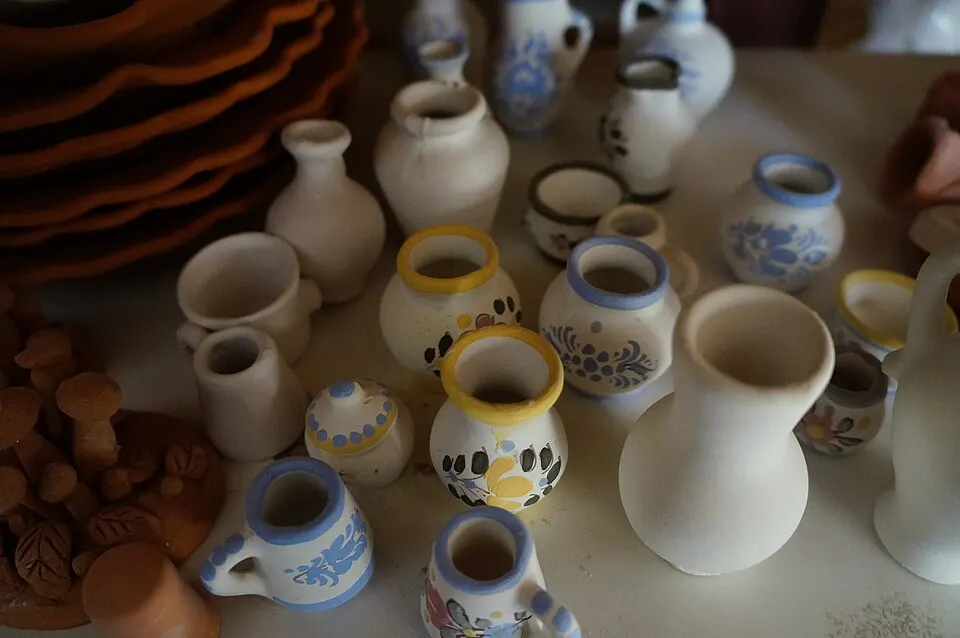
At a ceramic workshop, ask what changed between the lump of clay, the painted surface and the finished pot. Each kiln gives you a reason to slow down.
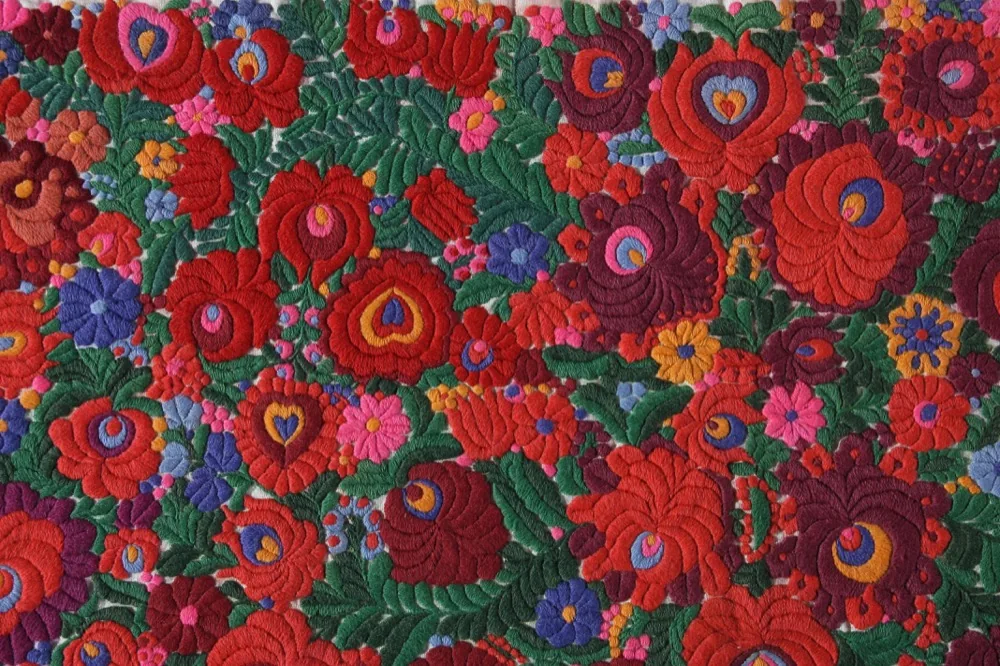
A flower painted on a wall and a flower sewn into a garment both begin with someone’s practiced hand. Compare the work without assuming the patterns have the same meaning.
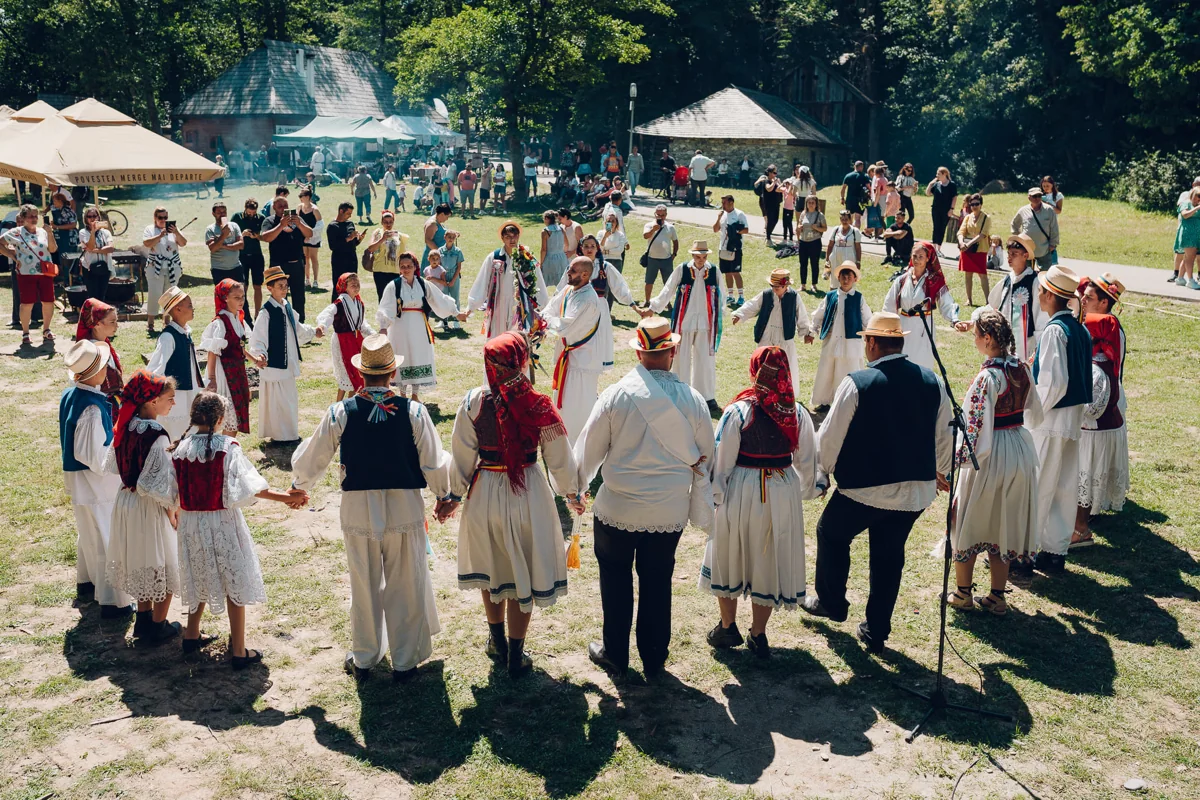
Sibiu · Dumbrava
At the ASTRA Museum in Sibiu’s Dumbrava forest, farmsteads, workshops and mills put tools back into the settings where people used them. Start by the lake and see how a building changes with the source of power and the job it houses.
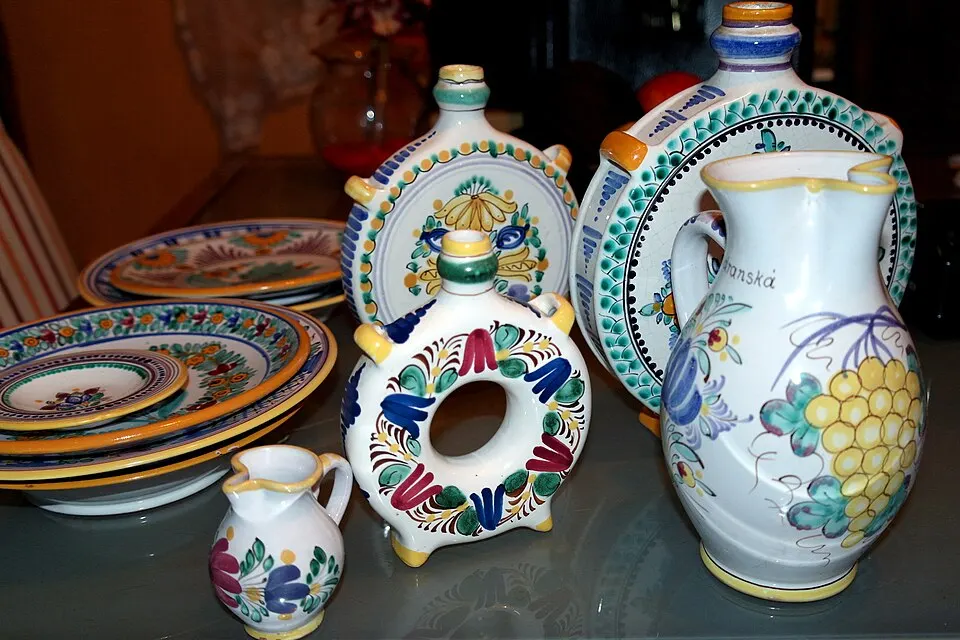
Modra · Little Carpathians
Follow the Haban influence on Modra’s pottery and see how painters turn botanical motifs into hand-painted designs.
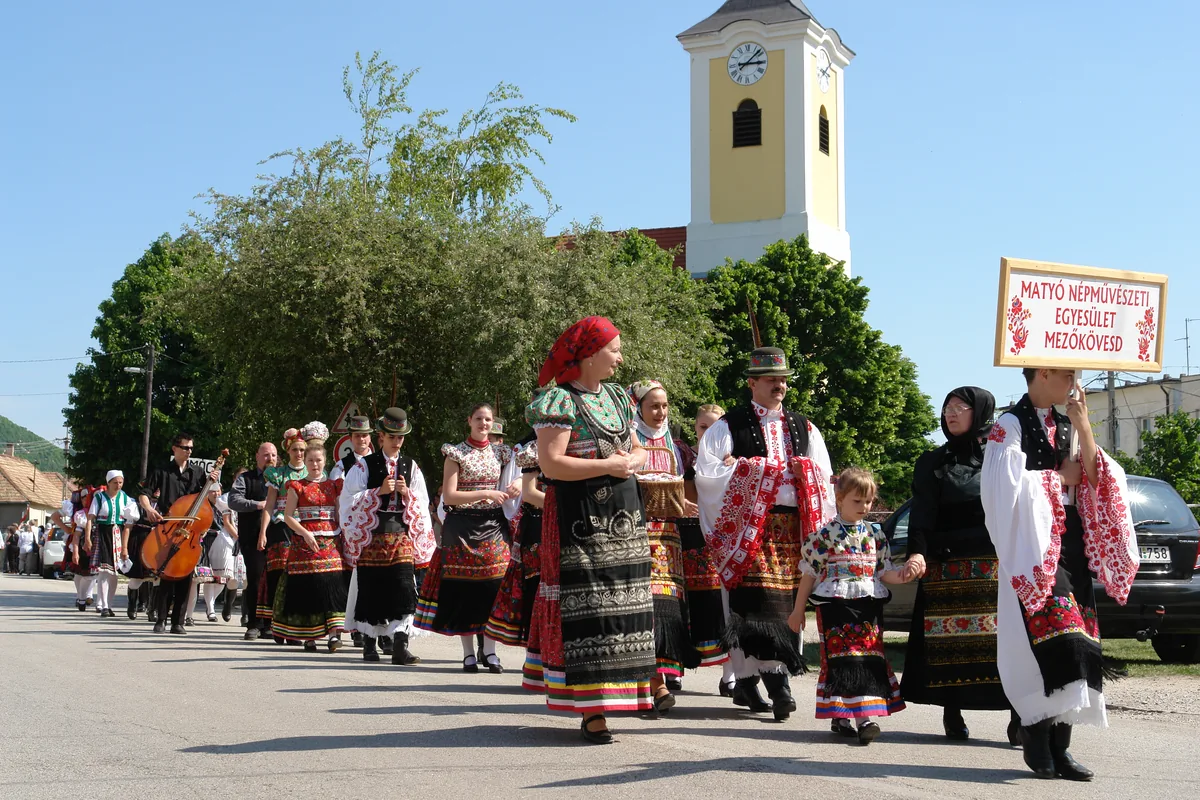
Mezőkövesd · Northern Hungary
In Mezőkövesd, smaller flowers often surround a large Matyó rose. Find a line of coloured flowers on two different textiles and see how the maker fitted the design to a garment or a piece made for the home.
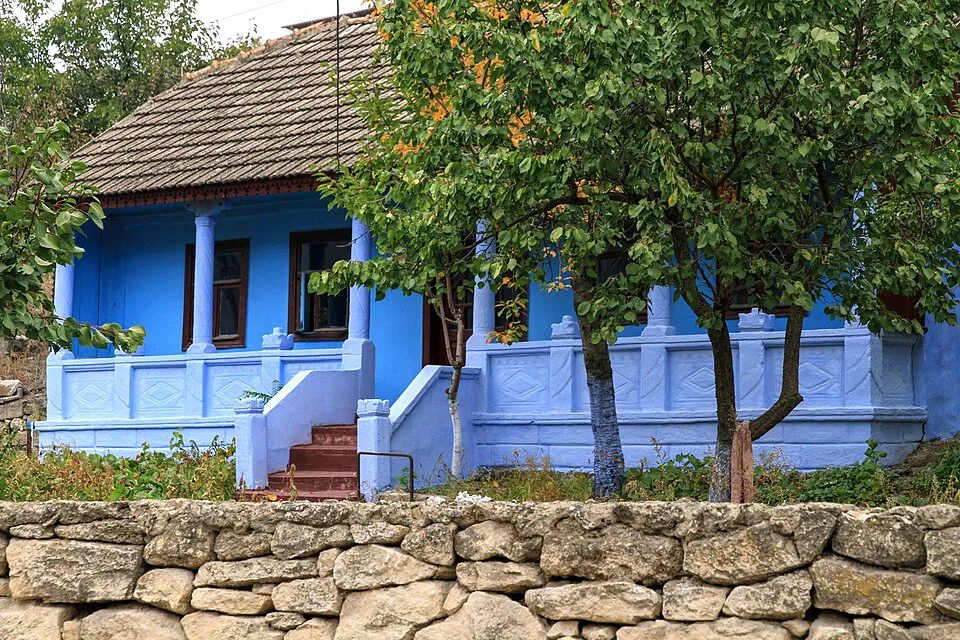
Butuceni · Old Orhei
Above Butuceni, the cliffs of the Răut valley hold traces of monastic life. In the village, a museum farmhouse shows how people organised their work and their belongings at home.
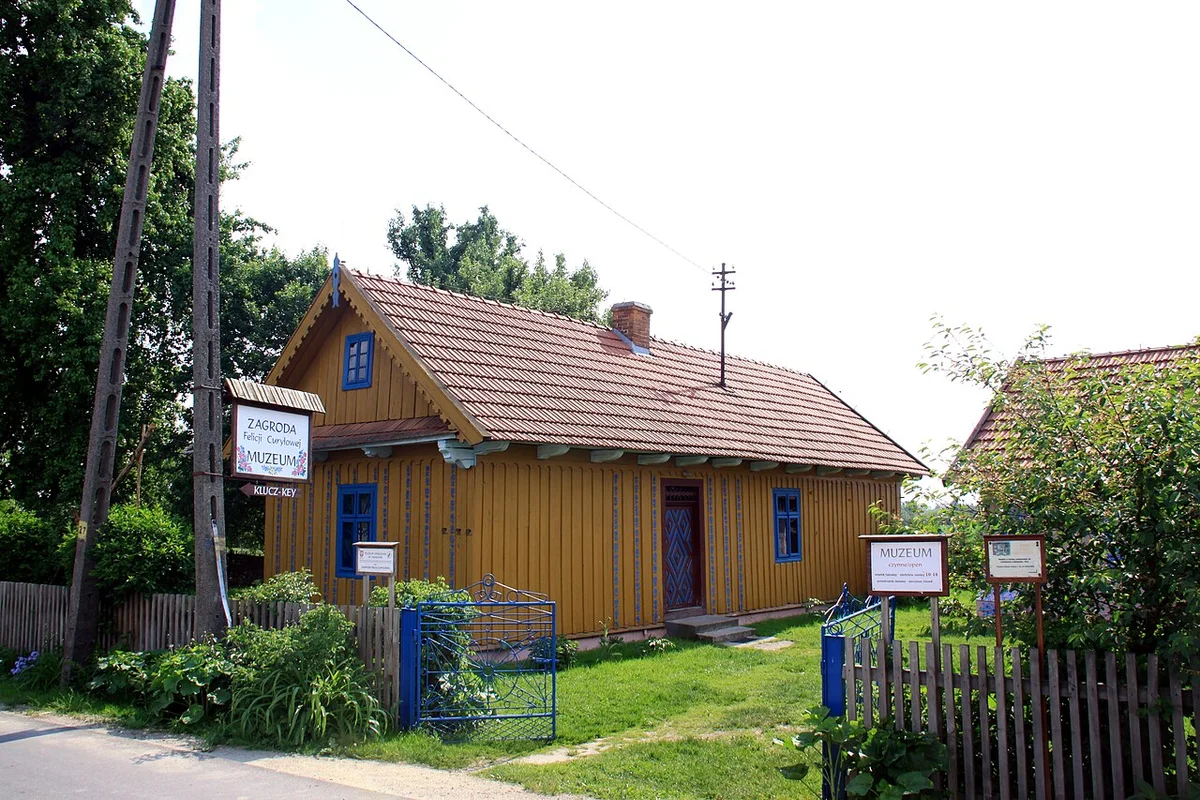
Zalipie · Małopolska
Flowers painted on walls, wells and the buildings of a working farm are part of Zalipie’s village landscape. The Felicja Curyłowa homestead brings the tradition into focus before a walk through the village.
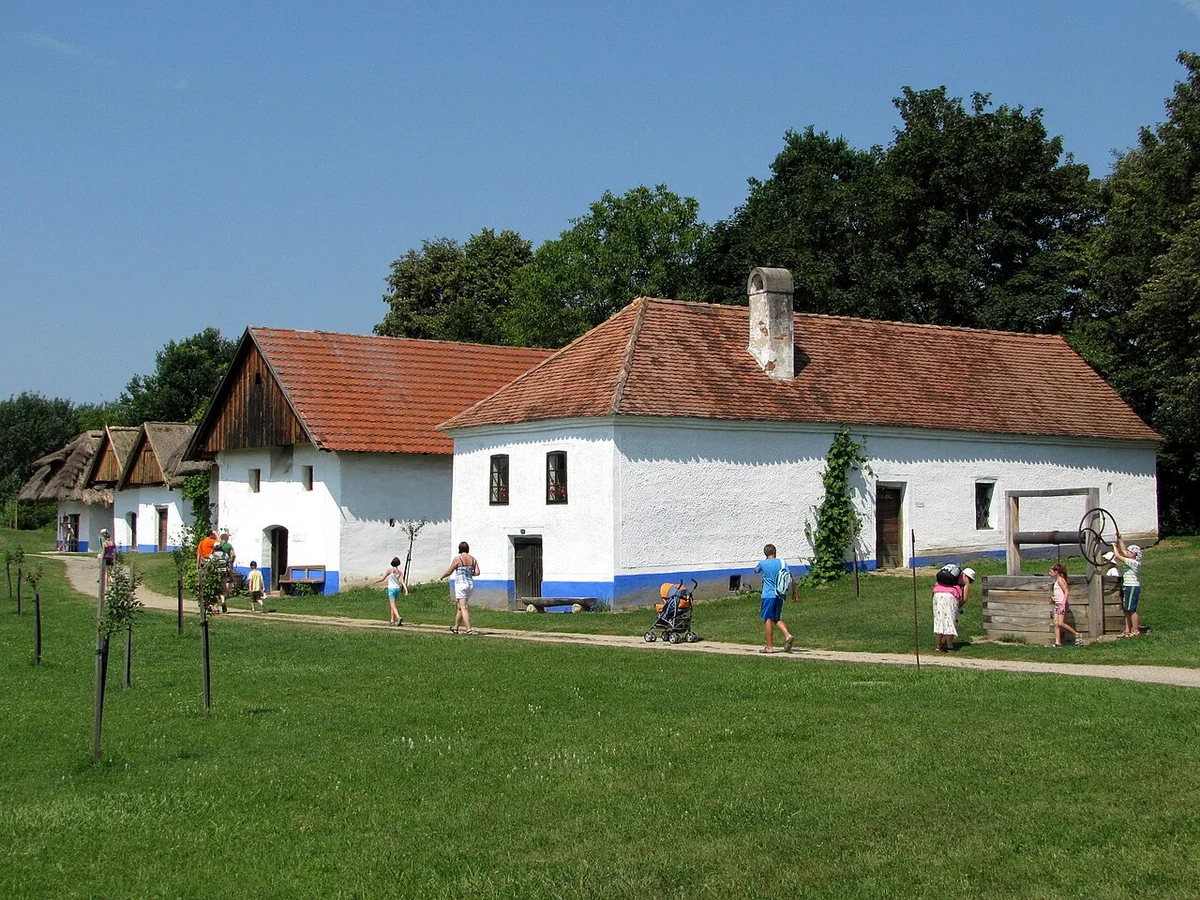
Strážnice · South Moravia
Strážnice’s open-air museum gives barn, house and vineyard buildings a place beside one another. A visit to nearby Petrov makes the work behind the wine easier to picture.
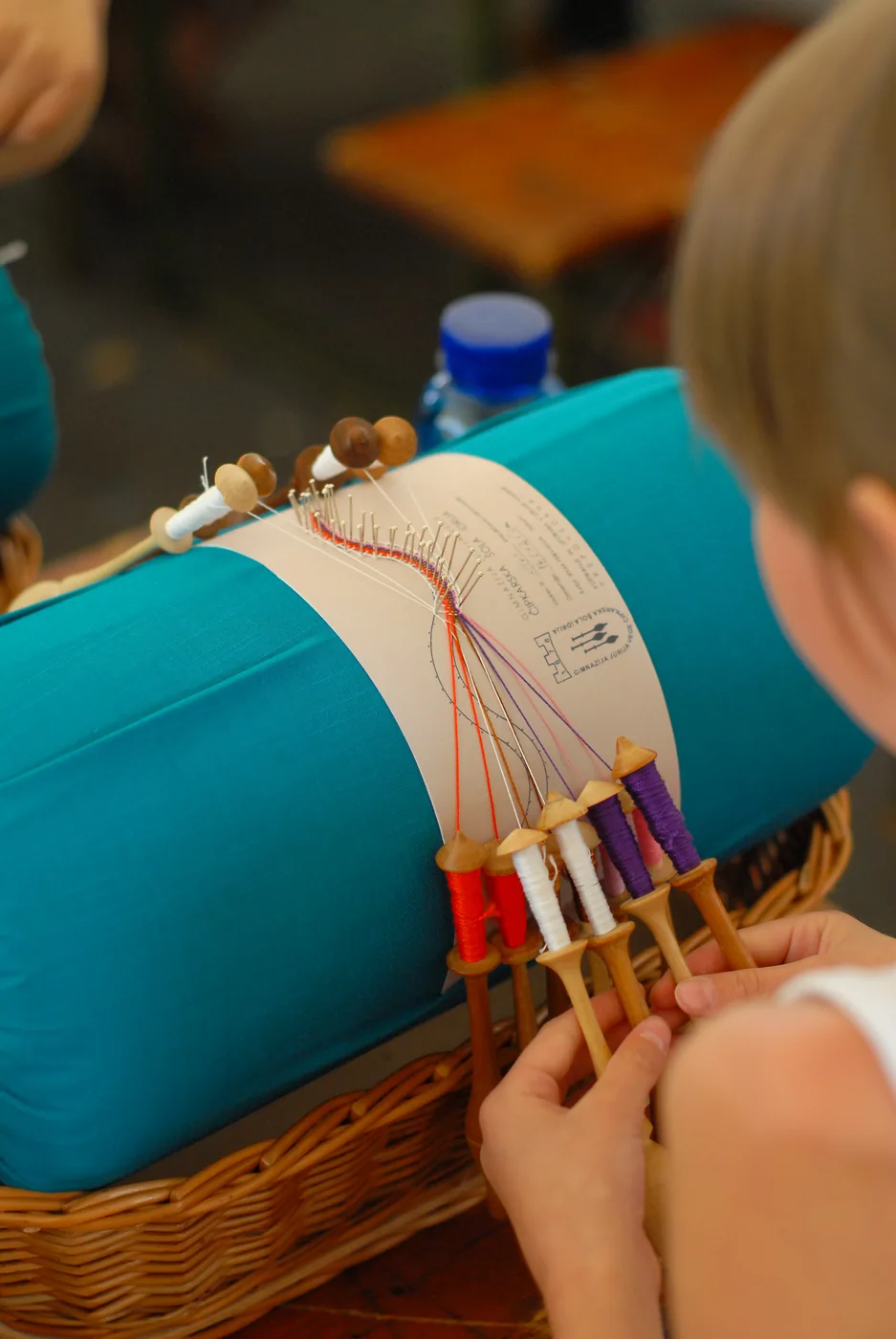
Idrija · Western Slovenia
At a lace pillow in Idrija, the movement of wooden bobbins turns thread into pattern. The museum, workshops and festival show both how the work is done and how people learn it.
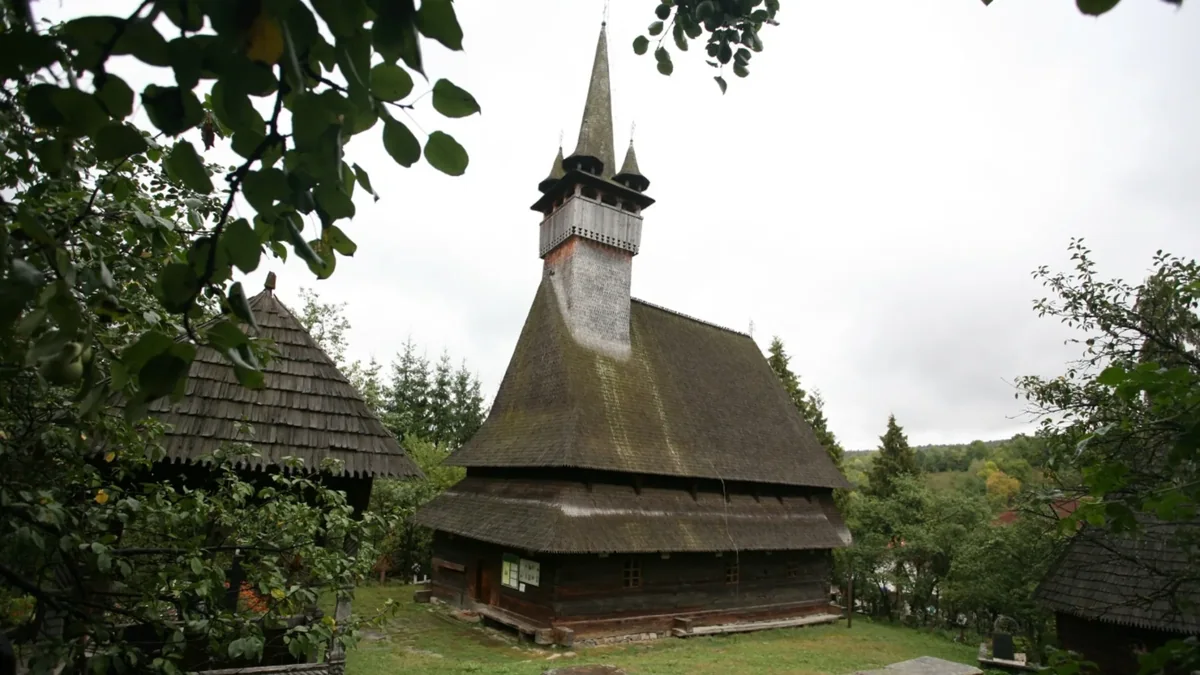
Budești · Maramureș
At St Nicholas in Budești Josani, the broad roof and slender tower are clearest from the edge of the churchyard. Then approach the west entrance and look for where the timber walls meet the stone foundation.
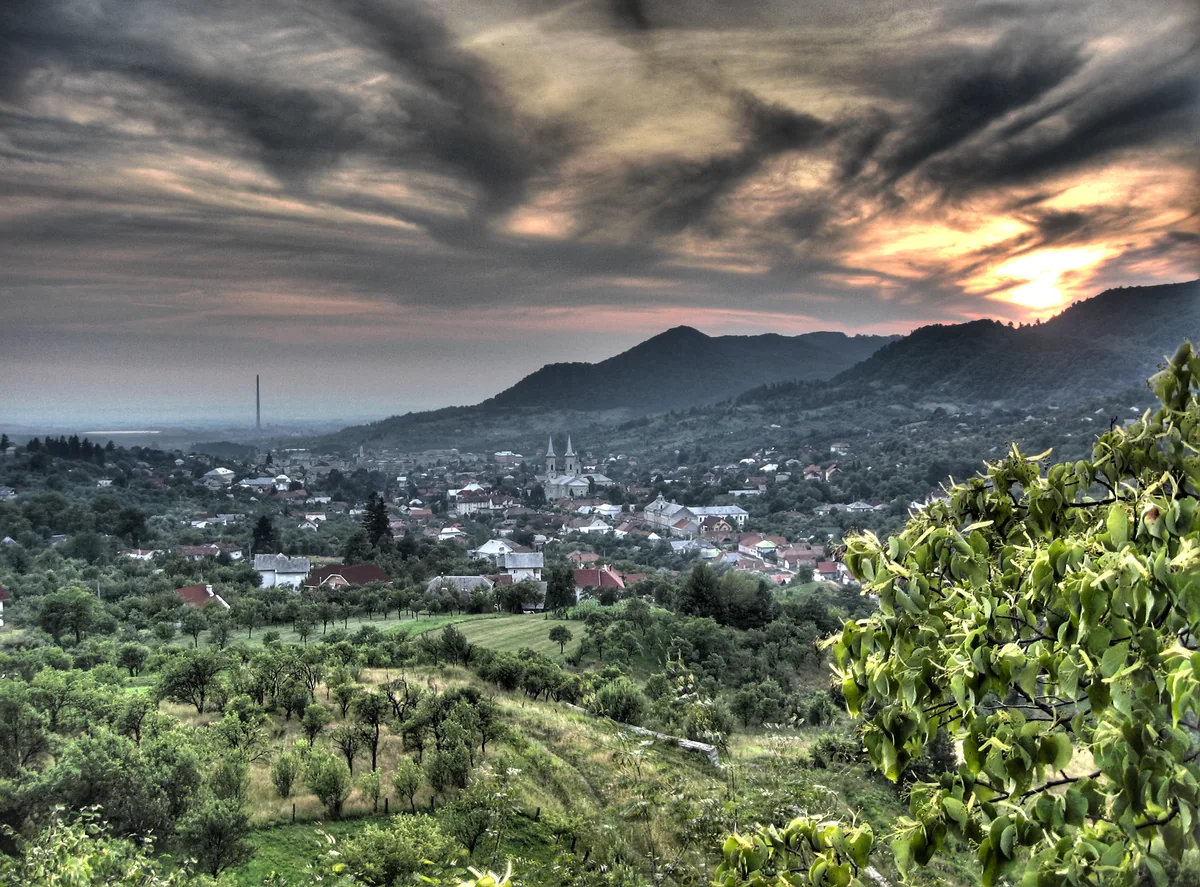
Baia Sprie · Maramureș
At the Leș family workshop, one course brings together preparing the clay, throwing on a wheel and hand modelling. Watch how the walls of a pot rise, then look for the places a maker will return to when finishing it.
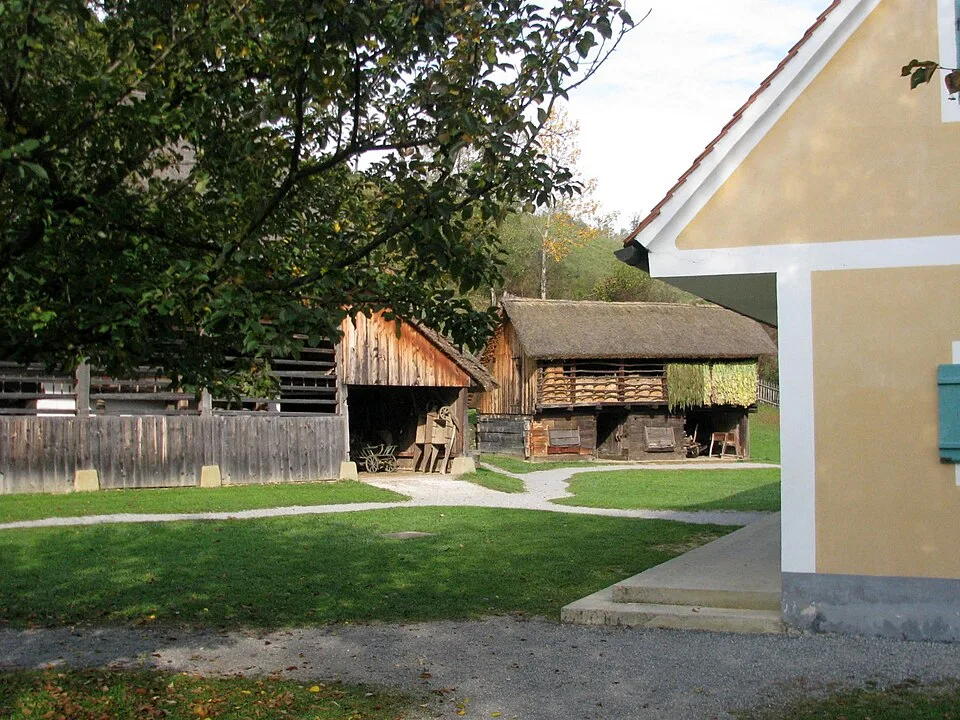
Rogatec · Eastern Slovenia
The Šmit house, farm buildings and workshops at Rogatec show how people around the Sotla made room for household work and daily life.
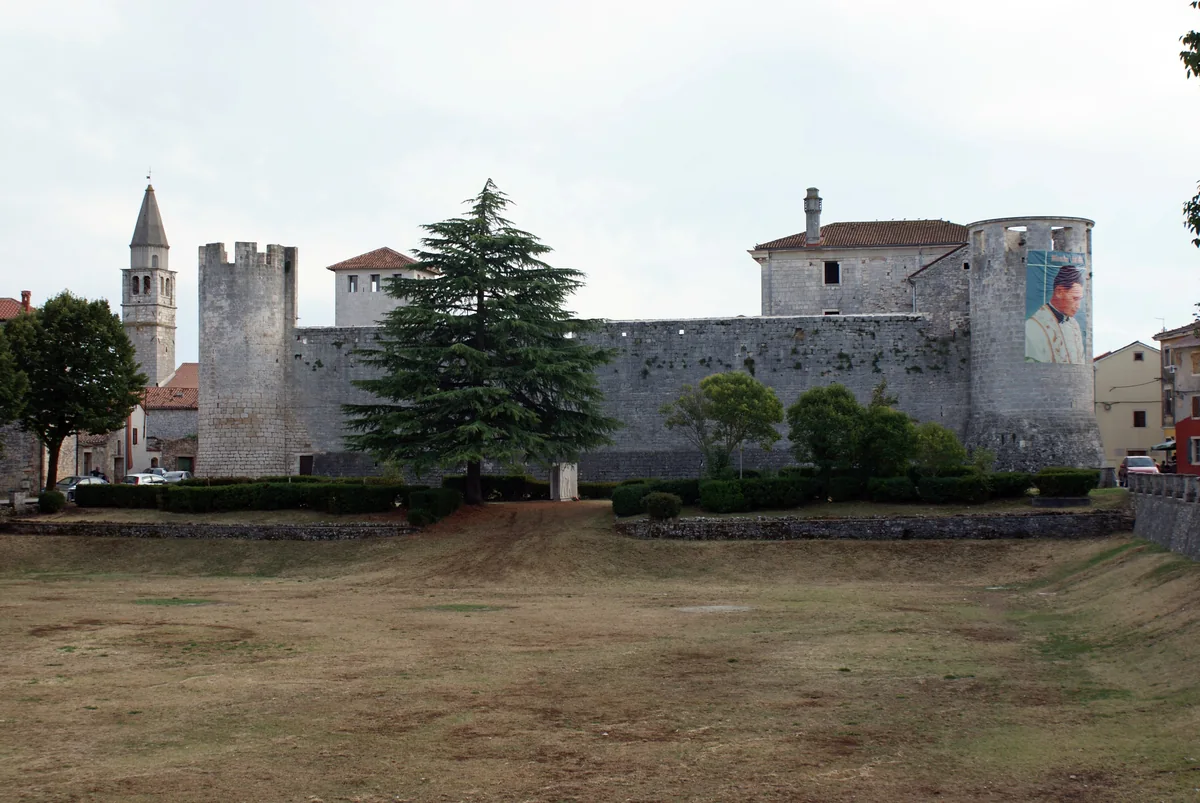
Svetvinčenat · Istria
Around Svetvinčenat’s Renaissance square sit a castle, a church, a public loggia and a stone cistern. Each side of the square offers a different view of the town’s everyday life.
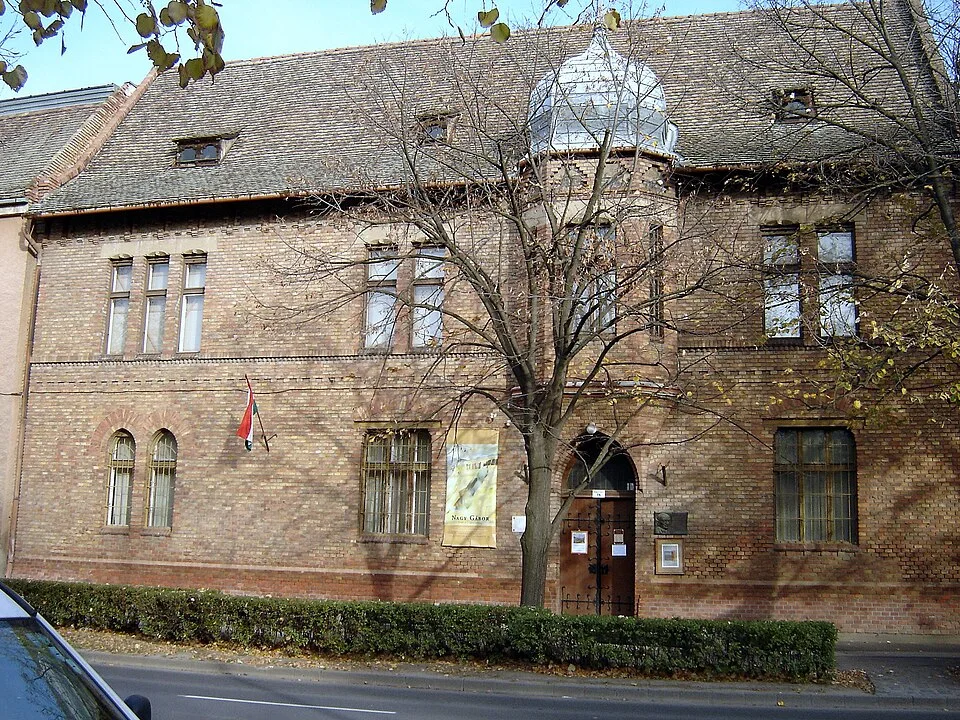
Hódmezővásárhely · Southern Great Plain
In Hódmezővásárhely the potters also called themselves tálasok, bowl makers. Start with a bowl and a plate in the Csúcs Pottery House and see how painted decoration follows the shape of an object people once used at home.
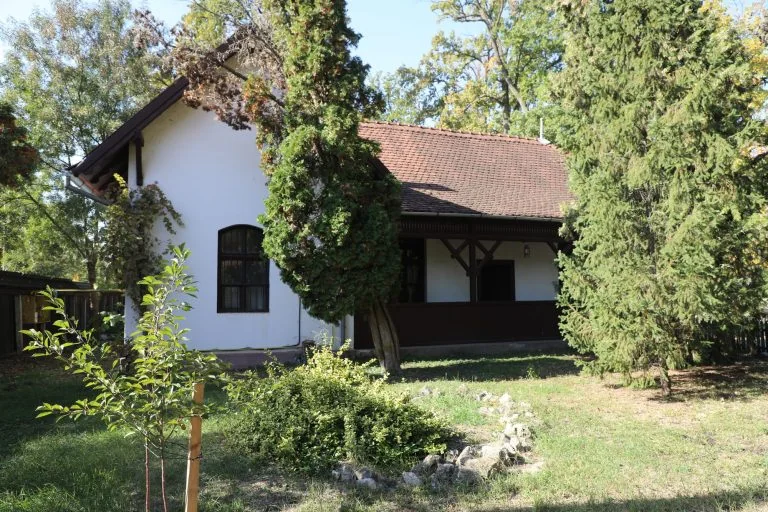
Timișoara · Banat
At the Banat Village Museum in Timișoara, the route between the house, yard and workplace tells you how a household arranged its work. Compare two farmsteads and trace how people, tools and goods would have moved through them.
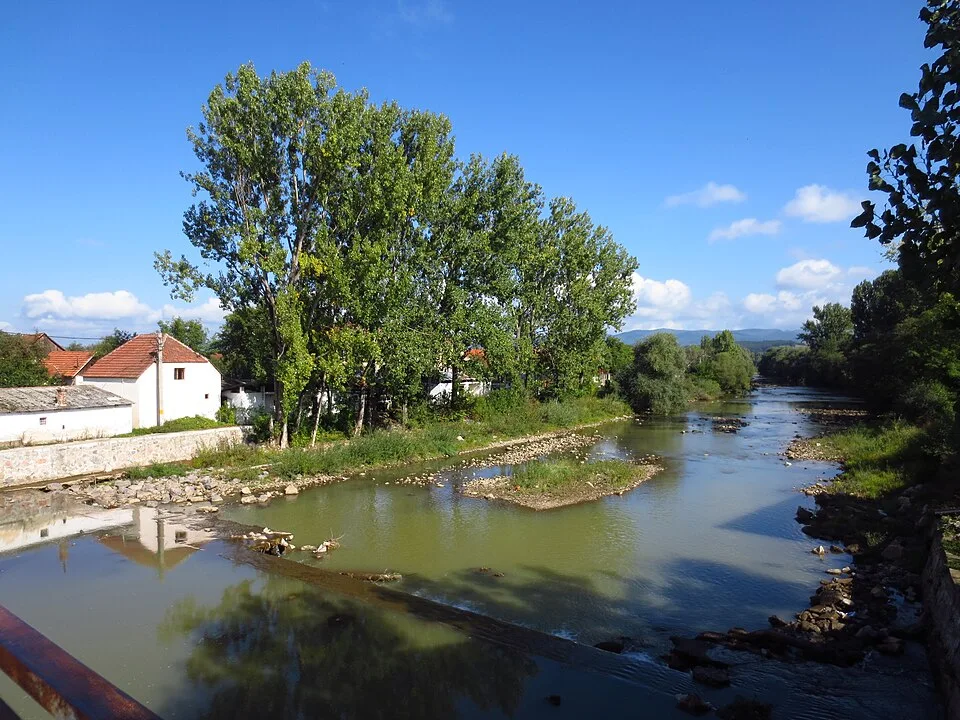
Vadu Crișului · Crișana
In Vadu Crișului, the clay potters use fires to a milky white. On some pots the pale surface shows through bands of brown decoration. A lidded pot held in Oradea shows how the shape, colour and marks left by the maker fit together.
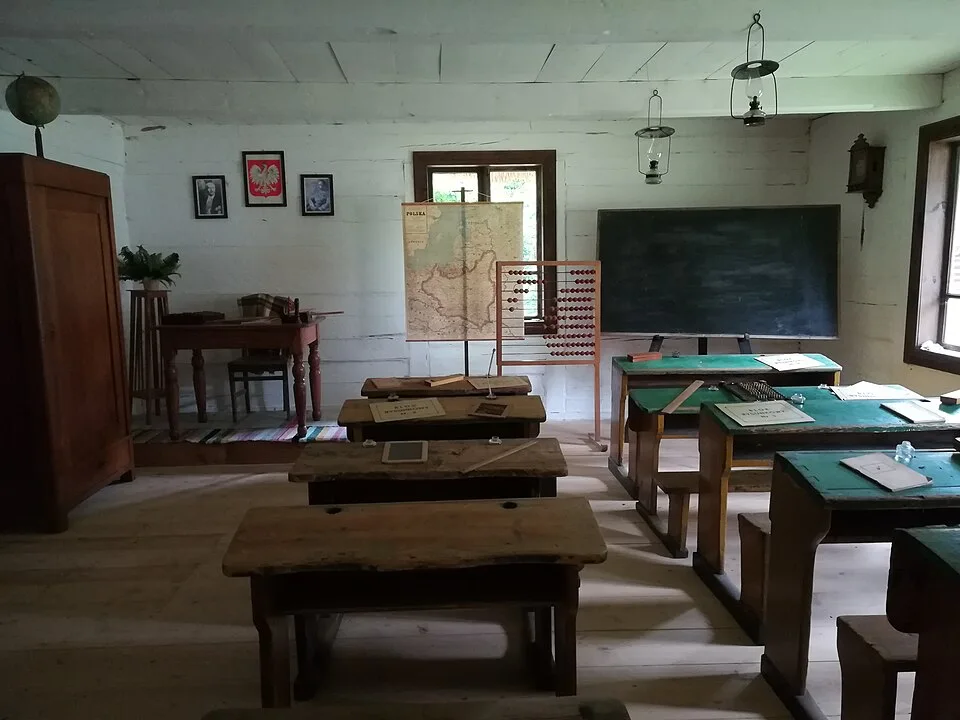
Tokarnia · Świętokrzyskie
Walk from the house to the granary and from the barn to the windmill at Tokarnia’s open-air museum. The way the buildings are arranged tells you about work in the villages of the Świętokrzyskie region.
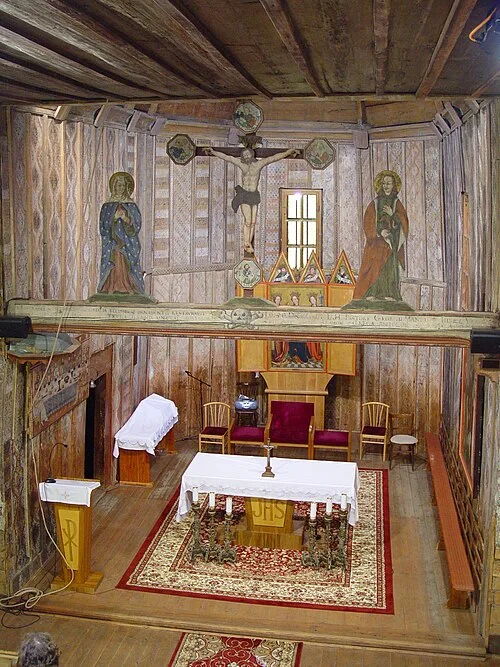
Hervartov · Bardejov district
At St Francis of Assisi in Hervartov, a timber church preserves wall paintings made in different periods of its history.
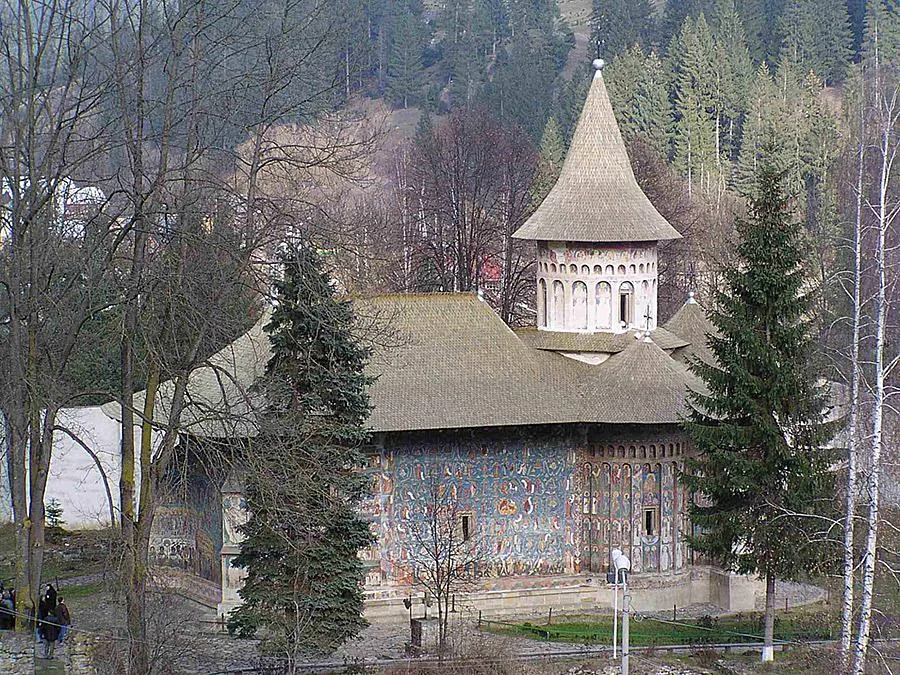
Voroneț · Bucovina
At St George’s Church in Voroneț, start with the Last Judgment on the western wall. Look closely at one group of figures, then step back to see how it sits among the other scenes.
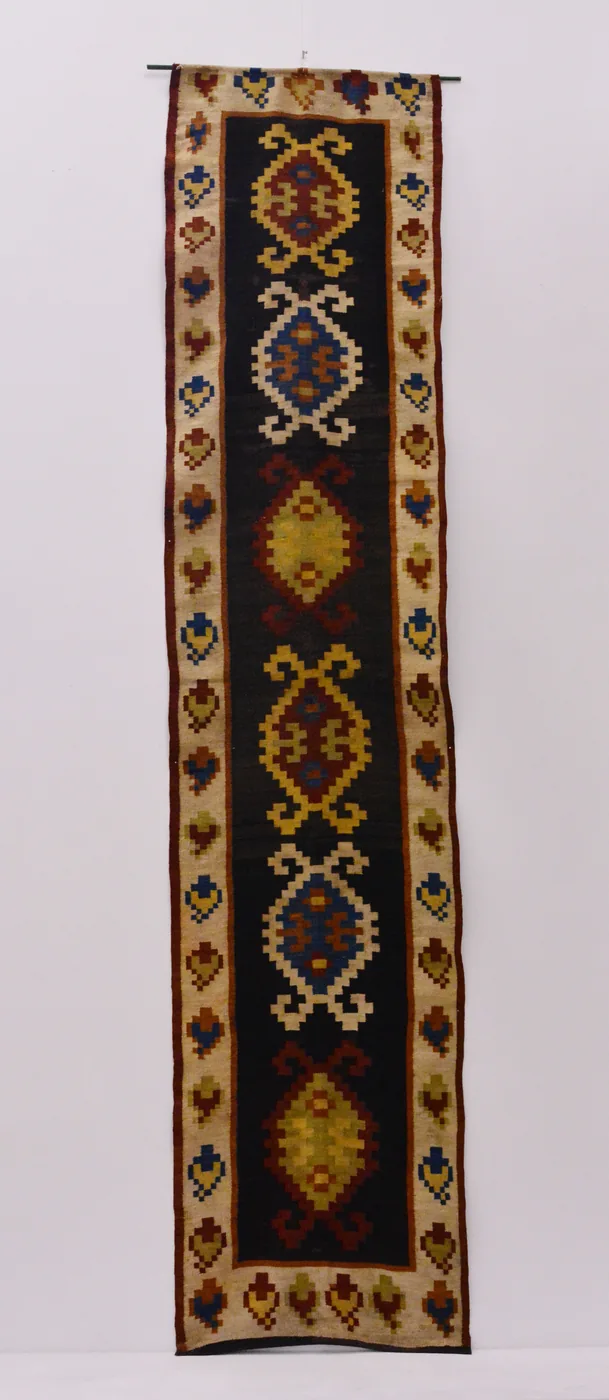
Moldova
From the walls of the formal room to the Covorul Dorului fair in Chișinău, the scoarță tells the story of the weavers who pass on the craft. In Clișova Nouă, Orhei district, community testimony documents weaving thread by thread.
 Čabarnica · Zrenj · Istria
 Slovenia
 Dürnstein · Wachau
 Usoyka · Kyustendil area
 Romania
 Poland
 Hungary
 Czechia
 Slovakia
 Moldova